
Tattoo Healing Tips ·October 29, 2026·12 min read
Best Lotion for Tattoo Aftercare
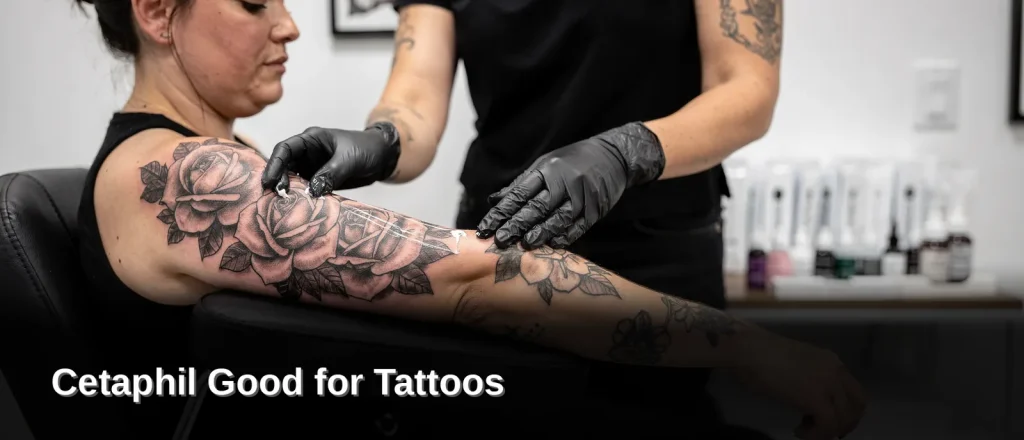
Choose a fragrance-free, water-based lotion, switch from ointment around day 5 and apply a thin layer 2 to 3 times a day.
·October 29, 2026·12 min readGetting tattooed is exciting — and a bit nerve‑wracking for a lot of people. The good news: smart preparation and a few proven techniques can make the whole process a lot more comfortable. This guide breaks down what causes tattoo pain, how to manage it during your session, and simple aftercare to speed recovery. We’ll also cover numbing cream basics and which body spots tend to hurt more so you can plan your session with confidence. Ready to learn more about your tattoo journey?
Tattoo pain comes from repeated needle punctures that stimulate nerve endings in the skin. Both physical and mental factors change how you feel pain — things like skin thickness, the area being tattooed, and your personal tolerance all play a role. Knowing what to expect helps you prepare.
Several things change how much a tattoo will hurt. Thin or sensitive skin tends to feel more, while fleshier areas usually hurt less. Spots near bone or with lots of nerve endings—like ribs or ankles—are commonly sharper. And remember: pain tolerance is personal. What’s intense for one person can be manageable for another.
Prep is simple but effective. Get a good night’s sleep and drink plenty of water — dehydration and fatigue make pain feel worse. Avoid alcohol and recreational drugs before your appointment; they can thin your blood and increase bleeding. Try calming breaths, light meditation, or playlists that relax you. And don’t be shy about talking to your artist beforehand — a quick chat puts everyone on the same page and helps keep you comfortable during the session.
At The Kchn Tattoos in Scarborough, we prepare clients by discussing pain expectations and management strategies during our free consultation. Kevin Chen (Kchen), with 14 years of tattooing experience specializing in black & grey realism, often advises clients on pacing longer sessions to manage discomfort effectively. Tracy, our fine line specialist with over 5 years of experience, notes that smaller pieces typically require less endurance but still benefit from proper preparation. Our team’s combined 25+ years of experience ensures personalized advice tailored to your tattoo style and placement.
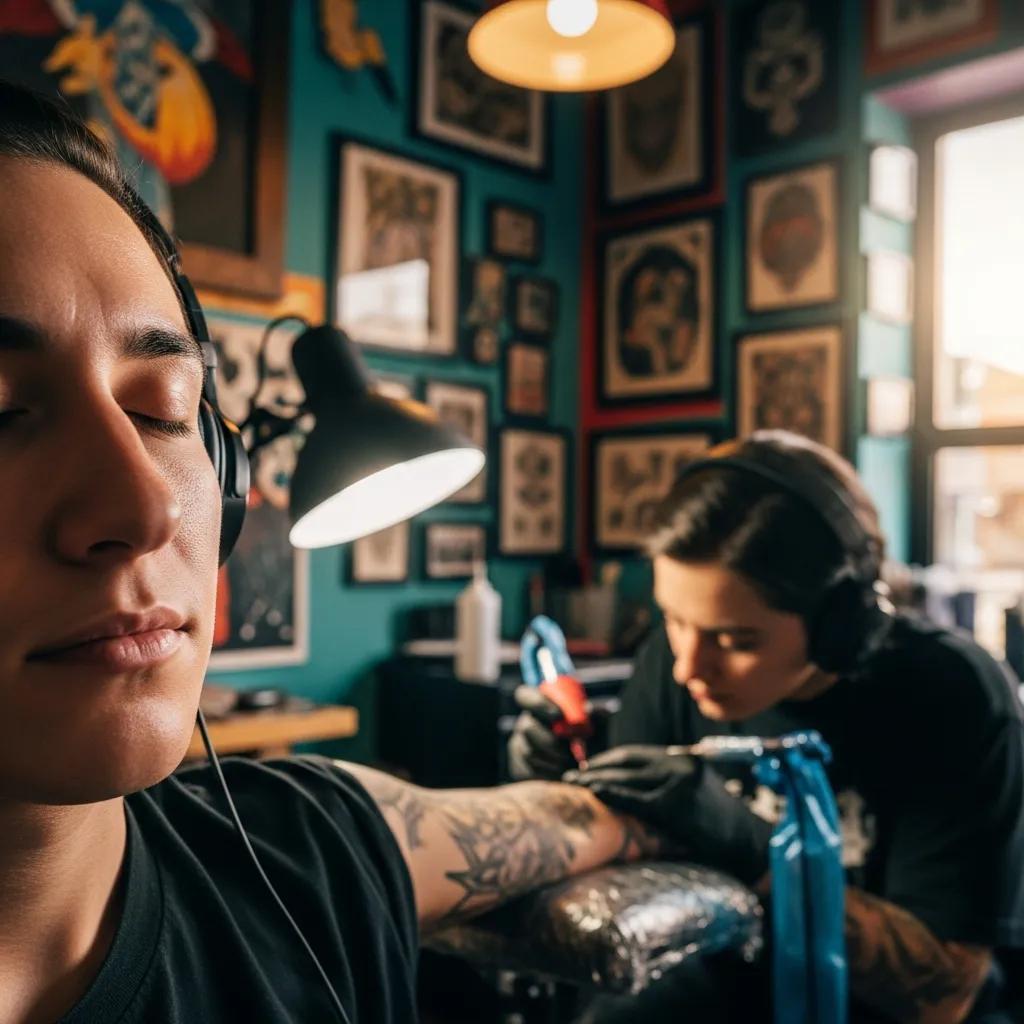
There are easy, effective ways to reduce discomfort while you’re getting inked. Distraction — like music, podcasts, or talking with your artist — moves your focus away from the needle. Simple breathing techniques calm your nervous system and help you stay in control. Combined, these approaches make sessions feel shorter and more manageable.
Distraction works by giving your brain something else to process, which lowers how much attention it pays to pain. Music or conversation is low-effort and highly effective. Breathing — slow, steady inhales and exhales — reduces anxiety and helps your body relax, which in turn reduces pain perception. Try it between uncomfortable bursts of work.
Good communication with your artist is key. Tell them when you need a break or if a spot feels intense — we’ll pause, shift position, or change pace. Most artists prefer short, planned breaks rather than stopping unexpectedly. Trust and clear signals make the session smoother for everyone.
In our experience at The Kchn Tattoos, we always discuss pain management openly during the session. Our artists, including YB and Justin who specialize in realism and blackwork, monitor client comfort closely and encourage breaks as needed. We find that planned pauses help clients manage longer sessions, such as Kevin Chen’s 6-hour back piece clients who benefit from pacing and hydration reminders. Our approach is to maintain a comfortable tattoo experience in Toronto and the Greater Toronto Area (GTA) by combining technical skill with attentive client care.
Aftercare is where a lot of discomfort can be eased. The right routine reduces swelling, soothes the area, and speeds up healing. Basic tools like cold compresses, gentle moisturizers, and following your artist’s care plan go a long way.
Right after your session, a cold compress (not ice directly on the skin) helps with swelling and soreness. Use a fragrance-free moisturizer or the aftercare ointment your artist recommends to keep the skin hydrated. Keep the tattoo out of direct sun, avoid picking scabs, and skip soaking it in baths or pools while it’s healing.
At The Kchn Tattoos, we stock Canadian-approved aftercare products and recommend options available at Shoppers Drug Mart and Rexall for convenience. Our artists provide detailed, personalized aftercare instructions tailored to your tattoo’s size, location, and your skin type. We’re familiar with Ontario’s climate considerations—dry winters can affect healing—so we advise accordingly to ensure optimal recovery and pain reduction.
Proper aftercare prevents infection and speeds healing, which naturally reduces pain over time. Hydrated, protected skin also holds ink better, keeping colours crisp. Follow the aftercare steps your artist gives you — they’re tailored to how your skin and the tattoo will heal best.

Numbing creams can help if you’re worried about pain. These topical anesthetics temporarily dull nerve signals in the skin so the needle feels less intense. They work well for many clients, but there are a few things to keep in mind before you use one.
Common options contain lidocaine, prilocaine, or benzocaine. They’re usually applied 30–60 minutes before tattooing to let the active ingredient penetrate. Follow product instructions and, importantly, talk with your artist before using a cream — they’ll advise on timing and safety so the numbing helps without affecting the tattoo process.
Clinical research supports lidocaine and prilocaine as effective topical agents for managing pain in skin procedures like tattoo removal.
Lidocaine Creams for Tattoo Pain Management
This 2017 study compared a lidocaine/tetracaine preparation with a lidocaine/prilocaine cream to measure self‑reported pain during laser treatments for conditions including tattoo removal. Results gave insight into topical anaesthesia options for skin procedures.
At The Kchn Tattoos, we recommend Canadian brands such as Dr. Numb and Hush Numbing Cream, which comply with Health Canada regulations. Our studio follows Health Canada guidelines and Ontario health regulations, using medical-grade, single-use needles and maintaining strict sterilization protocols to ensure safety. Our artists are trained to recognize when pain signals a medical concern and will adjust the session accordingly.
Numbing creams often reduce pain effectively, but artists sometimes raise concerns: some creams can temporarily change skin texture, cause mild swelling, or affect how the ink sits. That’s why communicating with your artist before applying anything is important — together you’ll pick the safest approach that won’t compromise the final result.
Our team at The Kchn Tattoos always discusses numbing cream use during the consultation to ensure it fits your tattoo style and session plan. We want to provide a pain-free tattooing experience in the GTA while preserving the quality of your artwork.
Pain varies a lot by where you get tattooed. Knowing which areas tend to be more sensitive helps you pick a spot that fits your comfort level and plan session length accordingly.
Typically more painful: ribs, spine, ankles, and elbows — places close to bone or with thin skin. Less painful: fleshy areas like the thighs, upper arms, and calves. Use that when you’re deciding where to place your design or planning how long you can sit for.
At The Kchn Tattoos, we often advise clients getting rib pieces to prepare for higher sensitivity and recommend breaking large designs into multiple sessions. Tracy, our fine line specialist, notes that delicate fine line tattoos on less sensitive areas can be more comfortable and quicker to complete. Our artists help you balance design goals with comfort, especially for realism tattoos and blackwork styles.
Use the pain scale as a planning tool. If you’re sensitive to pain, choose a lower‑sensitivity area or break a large design into multiple sessions. Talk through placement options with your artist — we’ll help you balance design goals with comfort so you get great results without unnecessary stress.
There’s a lot of misinformation about tattoo pain. Separating myth from fact makes the process less scary and helps you prepare realistically.
Myth: tattoos are always excruciating. Fact: pain is subjective and manageable for most people with the right prep and techniques. Myth: bigger tattoos always hurt more. Fact: location, session length, and individual tolerance matter more than size alone.
Understanding the reality of tattoo pain lowers anxiety and gives you practical steps to handle it. When you come in informed — hydrated, rested, and with a plan — you’ll usually find the experience easier than you expect.
| Technique | Description | Effectiveness |
|---|---|---|
| Distraction | Listening to music or chatting to shift focus | High |
| Breathing Exercises | Slow, rhythmic breaths to calm your body | Medium |
| Numbing Creams | Topical anesthetics are applied before tattooing | High |
This table sums up common pain‑management methods and how well they tend to work during a tattoo session.
| Body Area | Pain Level | Sensitivity |
|---|---|---|
| Ribs | High | Very sensitive |
| Thighs | Low | Less sensitive |
| Elbows | High | Very sensitive |
Use this quick reference to compare how painful different areas usually feel — it can help when choosing placement.
Understanding and preparing for tattoo pain makes a big difference. With the right mindset, simple techniques, and clear aftercare, you can get the tattoo you want with less stress and faster recovery.
If the pain becomes overwhelming, tell your artist right away. We can slow down, take a short break, change position, or stop for the day if needed. It’s completely okay to pause — your comfort and safety come first.
Avoid alcohol and limit caffeine before your appointment. Alcohol thins blood and can increase bleeding; caffeine can raise anxiety and sensitivity. Eat a balanced meal and hydrate with water beforehand to feel steadier during the session.
Aftercare soreness usually eases within a few hours to a couple of days, depending on the size and location of the tattoo. You may see some swelling and tenderness at first — cold compresses and following aftercare guidance will help speed relief.
You can buy numbing creams over the counter, but always check with your artist before applying one. Some products can change skin texture or affect ink absorption. We’ll advise what’s safe to use and how to apply it if we think it’s right for your session.
People often assume tattoos are unbearably painful — that’s not true for everyone. Pain varies by person, location, and technique. Another myth is that larger tattoos are always more painful; in reality, placement and session pacing matter more.
Follow your artist’s aftercare instructions: keep the area clean, moisturized with fragrance‑free products, and protected from sun and soaking. Don’t pick scabs. Proper care reduces pain, prevents infection, and preserves the look of your tattoo over time.
At The Kchn Tattoos in Scarborough, we prioritize client comfort through every step of the tattoo process. Our free consultation allows you to discuss any pain concerns openly with our experienced team, including Kevin Chen (Kchen), Tracy, YB, and Justin. We explain pain management options, session pacing, and numbing cream use to tailor your experience.
Our artists are trained to maintain clear communication during sessions, encouraging breaks and adjusting techniques to keep discomfort manageable. We maintain a clean, welcoming studio atmosphere at 240 Alton Towers Cir Unit A4, Scarborough, ON M1V 4P2, with free parking and easy public transit access for clients across Scarborough, Markham, North York, and the GTA.
We follow Health Canada guidelines and Ontario health regulations, using medical-grade, single-use needles and strict sterilization protocols. Our studio stocks Canadian-approved aftercare products and offers follow-up support during your healing process to ensure your tattoo recovers well and pain is minimized.
In our experience with clients across the GTA, this comprehensive approach results in a comfortable tattoo experience Toronto clients trust and recommend.
Managing pain is part preparation and part strategy. With rest, hydration, clear communication with your artist, and sensible aftercare, most people find tattoos far more manageable than they expected. At The Kchn Tattoos in Scarborough, we’re committed to making your tattoo experience as comfortable as possible. Our experienced team has worked with thousands of clients and understands how to manage pain effectively for every tattoo style—from Kevin Chen (Kchen)’s detailed realism pieces to Tracy’s delicate fine line work. We discuss pain management during your free consultation and support you throughout the healing process. Contact us at (289) 301-3034, visit us at 240 Alton Towers Cir Unit A4, Scarborough, ON M1V 4P2, or reach out at info@thekchntattoos.ca to discuss your project and any comfort concerns.
Choose a fragrance-free, water-based lotion, switch from ointment around day 5 and apply a thin layer 2 to 3 times a day.
·October 29, 2026·12 min readBy Kevin Chen, owner and head black & grey realism artist at The Kchn Tattoos, ScarboroughCetaphil’s unscented moisturizing lotion suits tattoo aftercare...
·October 1, 2026·8 min readQuick Answer: The best tattoo aftercare products for sensitive skin in Canada are fragrance-free, alcohol-free, hypoallergenic formulas containing ceramides, panthenol, aloe vera,...
·February 27, 2026·14 min read