
Tattoo Healing Tips ·October 29, 2026·12 min read
Best Lotion for Tattoo Aftercare
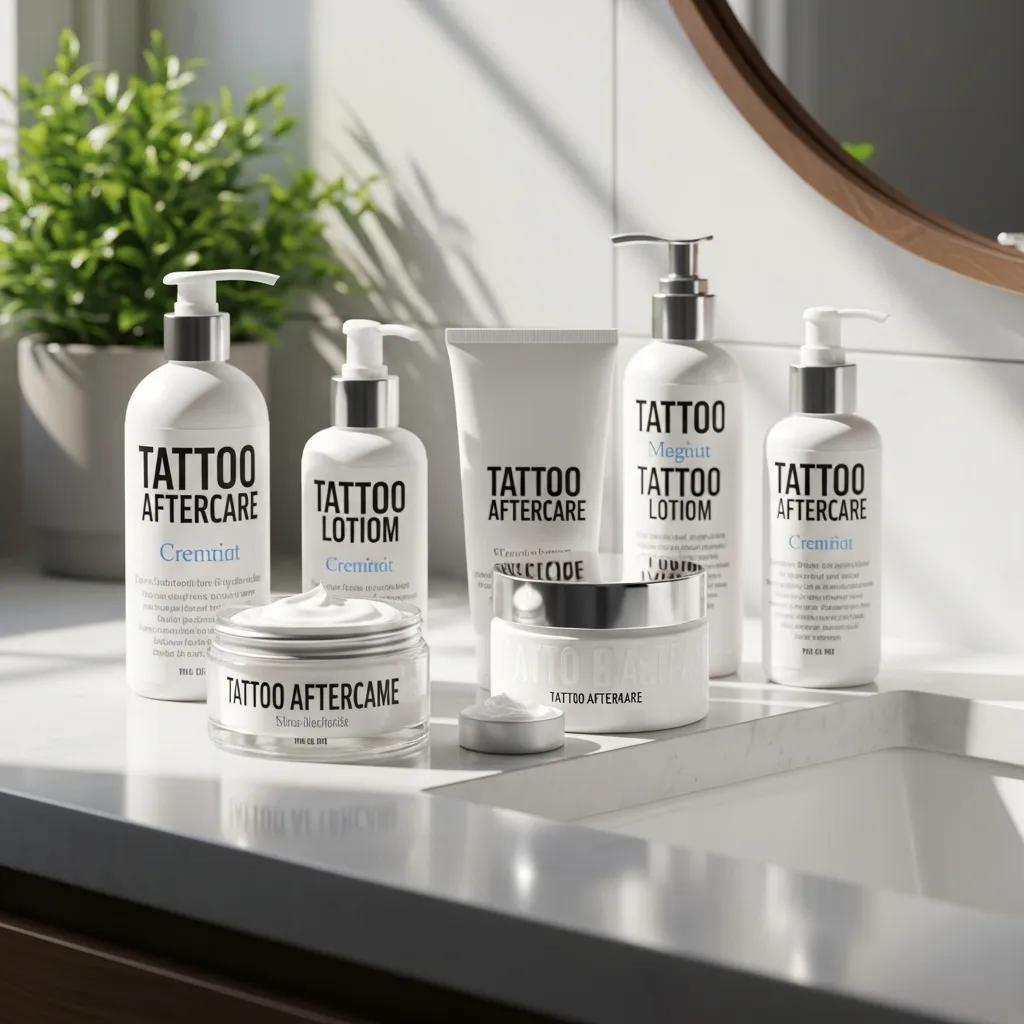
Choose a fragrance-free, water-based lotion, switch from ointment around day 5 and apply a thin layer 2 to 3 times a day.
·October 29, 2026·12 min readBy Kevin Chen, owner and head black & grey realism artist at The Kchn Tattoos, Scarborough
Cetaphil’s unscented moisturizing lotion suits tattoo aftercare because it’s fragrance-free, a quality The Kchn Tattoos identifies as essential for healing skin. Fragrance-free, alcohol-free formulas with ceramides or panthenol support ink vibrancy and proper healing. Thicker balms work best for days one through five. Lighter fragrance-free lotions like Cetaphil follow once peeling begins, per the studio’s aftercare guidance.
Moisturizing stands out as the single most consistent daily action in tattoo aftercare. No other step gets repeated as often. Few steps carry as much weight in determining how a tattoo heals and how sharp it looks years later. Skipping it, or doing it inconsistently, puts the final result at risk.
Selecting the right product matters just as much as remembering to apply it. The best lotion for tattoo aftercare supports the skin barrier without interfering with pigment settling into the dermis. Using the wrong formula, or the right one at the wrong healing stage, can turn crisp, vibrant linework into a faded, patchy tattoo that eventually needs costly touch-ups.
Many clients overcomplicate this step. The core principle stays simple: keep the tattoo clean, hydrated, and protected while it heals. An unscented moisturizer for tattoo care applied in thin layers, at the right frequency, accomplishes most of the work.
Dry, under-moisturized skin cracks and flakes excessively during peeling. That disrupts ink settling and raises the odds of patchy colour retention and scabbing that pulls out pigment prematurely.
Yes. Thick layers trap moisture against healing skin, which can soften scabs too early and invite irritation. Thin, frequent applications of a quality unscented lotion outperform heavy, infrequent ones every time.

Cetaphil’s core fragrance-free version is generally suitable for healing tattoos, but individual product lines should be assessed for specific needs. Is Cetaphil good for tattoos depends on the exact product line. The core fragrance-free version aligns with what healing skin needs. Fresh ink demands gentle, predictable ingredients, not a lucky guess from the skincare aisle.
Healing tattoos sit in an unusual position: the skin is technically wounded, inflamed, and absorbing whatever gets rubbed into it. Every moisturizer applied to that skin must stay completely fragrance-free. Fragrance remains the most common avoidable cause of healing complications, from irritation to patchy pigment loss, which is exactly why unscented formulas get recommended so consistently by artists.
Is Cetaphil lotion good for tattoos, or is the cream version a better match? The lotion works well during the peeling and settling stages, once the skin no longer needs a heavy barrier ointment. Its lightweight texture absorbs quickly without clogging pores or trapping excess moisture against new ink.
An effective unscented moisturizer for tattoo care checks several boxes beyond simply skipping fragrance. The strongest formulas stay alcohol-free, hypoallergenic, and built around ingredients like ceramides, panthenol, aloe vera, or shea butter. These compounds support the skin barrier without introducing irritants.
Clients searching for the best unscented lotion for tattoos should also know what to avoid:
Judged against that list, Cetaphil’s fragrance-free formula earns its reputation as a solid contender for the best lotion for tattoo aftercare, particularly for clients with sensitive or reactive skin.

Safety comes down to timing and formula, not brand loyalty. A product that protects a fresh tattoo on day one can smother or irritate the same skin by day ten. The right moisturizer depends on which healing stage the tattoo is currently in. Thicker ointments and balms suit the first three to five days, when the skin is still forming a protective barrier over fresh ink. Once peeling begins, that heavier layer becomes a liability rather than a help.
Lighter, fragrance-free lotions take over from the peeling phase through full healing. This shift matters because thick balms trap moisture the skin no longer needs once the surface starts flaking, which can slow healing and dull colour saturation.
Clients often ask whether Cetaphil lotion is good for tattoos. The short answer is: fragrance-free, lightweight formulas like it generally fit the healing-stage criteria artists recommend. The deciding factor is whether the formula is appropriate for the specific healing stage and free of irritants, including dyes, fragrance, and heavy occlusive agents, during the peeling and settling phases.
An unscented moisturizer for tattoos should skip synthetic fragrance, alcohol, and harsh exfoliants entirely. Artists guiding clients toward the best unscented lotion for tattoos also screen for dyes and heavy fillers that can clog healing skin.
The Kchn Tattoos’ artists recommend fragrance-free, dye-free formulas as the best lotion for tattoo aftercare and adjust that advice to each client’s skin. For more detail, see Best Tattoo Aftercare Products for Sensitive Skin: A Complete Guide.

Healing tattoos need different products at different stages, not one formula from start to finish. Thicker ointments and balms work best during the first three to five days, when the skin is still forming a protective barrier. After that window closes, lighter fragrance-free lotions take over through peeling and into full healing.
That shift matters because heavy ointments can suffocate skin once peeling starts. Switching too early or too late slows healing and risks patchy ink retention. The table below breaks down what each stage calls for.
| Healing Stage | Days 1-5 | Days 5-28+ |
|---|---|---|
| Product type | Thick ointment or balm | Lightweight, fragrance-free lotion |
| Goal | Seal and protect new skin | Hydrate without clogging pores |
| Texture | Dense, occlusive | Thin, fast-absorbing |
The best lotion for tattoo aftercare during the second through fourth weeks varies by individual skin type and healing progress; consult with your artist for personalized recommendations based on your healing stage. A lightweight, fragrance-free lotion that hydrates without trapping moisture against delicate, peeling skin is generally the right fit for this phase.
When choosing the best unscented lotion for tattoos, rank your options against these criteria, in order of importance:
Products that commonly meet these criteria include the fragrance-free versions of Cetaphil Moisturizing Lotion and Aveeno Daily Moisturizing Lotion for the peeling stage, while many artists suggest a thin layer of a healing ointment such as Aquaphor for the first few days. Always check the label, since formulas vary by product line, and ask your artist if you’re unsure.
No. Peeling and flaking are expected, much like skin recovering from sunburn. Fresh ink sheds its outer layer as new skin forms underneath. That flaking phase is exactly when lighter lotions earn their place in the routine.
Itching signals the skin is rebuilding, but scratching damages fresh ink. Lightly tap the area rather than scratch it; this relieves the urge without breaking skin. Applying more lotion works the same way, calming irritation while keeping the tattoo properly moisturized through every stage of recovery.
Clean hands come first, then a thin layer of fragrance-free lotion massaged gently into the healing tattoo, two to three times a day. Skipping this step slows healing and risks dull, patchy ink down the road. A consistent routine protects the investment made in custom artwork, whether it’s a small script piece or a black & grey realism sleeve.
Water-based routines go on hold during healing. Tattoos should stay out of baths, pools, hot tubs, and lakes for two to three weeks, since prolonged soaking softens the skin and invites infection. Lotion application takes over as the primary care method during that window, keeping the area hydrated without the risks that come with submersion.
Picking or scratching the healing skin tops the list of habits to break. Direct sunlight weakens new ink and speeds fading, so covering the area or staying in shade matters just as much as the lotion itself. Tight clothing rubs against fresh tattoos and disrupts the moisture barrier lotion creates.
The Kchn Tattoos, a Scarborough, ON studio, works with clients across the region to recommend the best lotion for tattoo aftercare during consultations. Artists walk clients through application timing, product selection, and warning signs, tailoring guidance to each piece and skin type.
Cetaphil ranks among the safer drugstore moisturizers for healing tattoos because its unscented formula avoids fragrance, the most common avoidable cause of irritation and patchy pigment loss during healing.
Cetaphil’s lightweight lotion works best during the peeling and settling stages, once the skin no longer needs a heavy barrier ointment, since it absorbs quickly without trapping excess moisture.
Fragrance irritates healing skin and raises the risk of complications, including patchy colour retention. Fragrance-free, alcohol-free formulas are essential for proper tattoo healing and ink vibrancy.
Selecting an unscented lotion for tattoo aftercare deserves the same thoughtfulness you invest in choosing your artist. Cetaphil’s fragrance-free lotion delivers the gentle hydration a healing tattoo needs, supporting the skin barrier without irritation. Prioritize products formulated for sensitive skin, apply them consistently throughout the healing window, and follow your artist’s specific guidance. These fundamentals protect your investment and help your tattoo heal with the clarity it deserves.
Kevin Chen is the owner and head black & grey realism artist at The Kchn Tattoos, 240 Alton Towers Cir Unit A4, Scarborough, ON M1V 4P2. He works alongside artists Tracy (fine line and custom lettering), YB, and Justin; together the studio brings more than 25 years of combined experience.
The studio offers complimentary consultations and is open 10am to 6pm, seven days a week.
Choose a fragrance-free, water-based lotion, switch from ointment around day 5 and apply a thin layer 2 to 3 times a day.
·October 29, 2026·12 min readQuick Answer: The best tattoo aftercare products for sensitive skin in Canada are fragrance-free, alcohol-free, hypoallergenic formulas containing ceramides, panthenol, aloe vera,...
·February 27, 2026·14 min readSmart Tattoo Pain Management: Practical Tips to Stay Comfortable While Getting Inked Getting tattooed is exciting — and a bit nerve‑wracking for...
·February 12, 2026·11 min read