Getting a tattoo is exciting, but proper tattoo aftercare determines how well it heals and how long the artwork lasts. This guide offers practical, evidence-informed tattoo aftercare guidance including the healing stages, product recommendations, daily care steps, and common pitfalls that can cause infection or premature fading. Follow these practices to support tissue repair and preserve pigment over time.
Research reinforces that diligent tattoo aftercare combined with professional hygiene measurably reduces the risk of adverse outcomes and complications.
The risk of complications from tattoos depends greatly on hygiene during the procedure, the artist’s training and skills, the quality and cleanliness of materials used, and effective tattoo aftercare. Maintaining high hygiene standards is essential to prevent infections and other severe issues.
What Are the Key Stages of Tattoo Healing?
Tattoo healing progresses through defined stages. Each phase places different demands on the skin and requires targeted care to optimize pigment retention and reduce complications.
- Initial Healing (Days 1-3): During this stage, the tattooed area may be red, swollen, and tender. It is essential to keep the tattoo clean and avoid any irritation.
- Peeling Stage (Days 4-7): As the skin begins to heal, it will start to peel. This is a normal part of the healing process, and it is crucial not to pick at the peeling skin.
- Settling Stage (Weeks 2-4): The tattoo will start to look clearer as the skin continues to heal. Moisturizing becomes increasingly important during this time.
- Full Skin Recovery (Months 2-3): The tattoo will fully settle into the skin, and the colours will appear more vibrant. Continued care is essential to maintain its appearance.
How Does Each Healing Stage Affect Tattoo Appearance and Care?
Each healing stage changes the skin’s appearance and care needs. Adjust cleansing, hydration, and protection to match the current phase to minimize scabbing, pigment loss, and infection risk.
- Importance of Moisturizing: During the peeling stage, keeping the tattoo moisturized is vital to prevent excessive dryness and cracking, especially in the dry indoor climate typical in Ontario from November to March when forced-air heating pulls moisture out of the skin.
- Avoiding Sun Exposure: Direct sunlight can damage healing skin and fade tattoos. It is crucial to keep the tattoo covered or apply sunscreen once healed.
- Signs of Complications: Watch for signs of infection such as increased redness, swelling, warmth, or pus. Consult a healthcare professional immediately if these occur.
- Ontario Climate Considerations: In the humid Greater Toronto Area summer, increased sweating and friction mean breathable clothing and prompt gentle cleansing are important. During colder months, wind and cold exposure on hands and forearms can crack healing skin, requiring extra protection and moisturizing.
What Is the Typical Timeline for Tattoo Healing?
Healing time varies by tattoo size, placement, and individual skin physiology. Expect surface healing in weeks and deeper dermal recovery over several months.
- Surface Healing Duration: Typically, the outer layer of skin heals within 2 to 3 weeks.
- Deeper Skin Healing Duration: Complete healing of deeper skin layers can take 2 to 6 months.
- Factors Affecting Healing Time: Skin type, tattoo size, location, and aftercare practices influence healing duration.
Which Aftercare Products Are Best for New Tattoos?
Select products that protect the wound, support barrier repair, and reduce infection risk. The lists below identify commonly used clinical and tattoo-specific options widely available at Shoppers Drug Mart and Rexall across the Greater Toronto Area.
- Saniderm or Dermalize Pro: These breathable adhesive films shield new ink from bacteria and moisture.
- Fragrance-Free Moisturizers: Hypoallergenic formulas soothe peeling skin without causing irritation.
- Mild pH-Balanced Soaps: Gentle cleansers with antibacterial properties keep the tattoo clean.
- Zinc Oxide Mineral Sunscreen (SPF 30+): Provides broad-spectrum UV protection to prevent fading.
What Are the Recommended Ointments and Moisturizers for Tattoo Healing?
Choose ointments and lotions that hydrate without excessively occluding the wound. Below are widely used products in professional tattoo aftercare protocols, all readily found at major Canadian retailers.
- Aveeno Daily Moisturizing Lotion: A gentle, fragrance-free option that hydrates without irritation.
- Cetaphil Moisturizing Lotion: Known for soothing properties, ideal for sensitive skin.
- Eucerin Advanced Repair Lotion: Provides deep hydration and assists skin barrier repair.
- Coconut Oil: A natural moisturizer with antibacterial properties.
- Hustle Butter Deluxe: Specifically designed for tattoo care, supports healing and moisturization.
- Bepanthen Healing Ointment: Popular for its effective healing properties.
How Should Aftercare Products Be Applied for Optimal Results?
Proper application influences healing outcomes. Cleanse gently, use a thin layer of product, and avoid heavy occlusion unless directed by your tattoo artist.
- Initial Care Steps: After removing the bandage, gently wash the tattoo with mild soap and pat dry without rubbing.
- Cleaning and Moisturizing: Apply a thin layer of moisturizer or ointment to maintain hydration without suffocating the skin.
- Avoiding Irritants: Stay away from products with fragrances or harsh chemicals that may irritate healing skin.
How Should You Properly Care for a New Tattoo?
Follow a simple, consistent daily routine: gentle cleansing, light moisturizing, and avoidance of mechanical stress such as scratching or picking. This helps reduce complications and preserves the tattoo’s line work and colour.
- Keep It Clean: Wash gently with mild soap and water, avoiding scrubbing or abrasive cleaning.
- Moisturize Regularly: Use appropriate moisturizers to prevent dryness and cracking, applying more frequently during dry Ontario winters.
- Avoid Picking or Scratching: Do not pick at scabs or peeling skin to prevent scarring and pigment loss.
What Are the Essential Daily Tattoo Aftercare Steps to Prevent Infection and Promote Healing?
Daily tattoo aftercare focuses on cleanliness, controlled moisture balance, and close monitoring. Toronto Public Health requires provision of written aftercare instructions to all clients as part of its BodySafe program that inspects tattoo studios as Critical risk services under Ontario Regulation 136/18 (Personal Service Settings) of the Health Protection and Promotion Act. Our artists ensure you receive clear guidance tailored to your tattoo and skin.
- Wrap the Tattoo as Instructed: Follow your artist’s recommendations on timing for bandage removal.
- Wash Gently with a Mild Cleanser: Clean the tattoo with gentle soap to eliminate bacteria.
- Transition to a Suitable Tattoo Lotion: After initial healing, switch to a recommended lotion for ongoing care.
Which Common Tattoo Aftercare Mistakes Should Be Avoided?
Avoid actions that can increase infection risk or cause pigment loss. Simple precautions prevent most complications.
- Soaking the Tattoo: Avoid baths, swimming pools, or hot tubs until the tattoo is fully healed.
- Picking or Scratching: Resisting temptation to pick or scratch prevents scarring and colour disruption.
- Exposing to Direct Sunlight: Protect your tattoo to prevent fading and skin damage.
How Do Sun and Water Exposure Affect Tattoo Healing?
UV radiation and prolonged water exposure interfere with tissue repair and pigment stability. Protect the site until the dermis has fully recovered.
- Effects of UV Rays on Ink: UV rays fade colours and damage healing skin, causing uneven healing.
- Risks of Soaking in Water: Excess water exposure can lead to infection and prolonged healing.
- Importance of Protection: Keep the tattoo covered outdoors and use sunscreen after healing.
What Are the Guidelines for Sun Protection During Tattoo Healing?
During healing, avoid direct sunlight. After skin closure, apply a broad-spectrum SPF 30+ mineral sunscreen to protect pigment long-term.
- Avoid Direct Sunlight: Cover your tattoo when outdoors, especially during peak sun hours.
- Use Sunscreen: Once healed, sunscreen helps maintain tattoo vibrancy.
- Wear Protective Clothing: Long sleeves or other coverings safeguard the tattoo when exposed.
How Should Water Exposure Be Managed?
Limit water contact to quick showers and gentle cleansing. Do not submerge the tattoo in baths, pools, or hot tubs until fully healed to reduce infection risk.
- Avoid Soaking: No soaking until full healing.
- Gentle Washing: Use mild soap and water without scrubbing.
- Quick Showers: Minimize shower time and water pressure on the tattoo.
When and How Should You Schedule a Tattoo Touch-Up?
Wait until full initial healing before arranging touch-ups. This allows for accurate assessment of pigment retention and areas needing reinforcement.
- Timing for Touch-Ups: Wait at least 6 to 8 weeks post-tattoo before scheduling.
- Consultation with Artist: Discuss any fading or irregularities with your tattoo artist.
- Preparation for Touch-Up: Confirm the tattoo is completely healed before the appointment.
What Signs Indicate the Need for a Touch-Up?
Look for light fading of colours, broken or blurred linework, or patchy healed areas as primary indications for touch-ups.
- Light Fading of Colours: Dull or faded colours may require enhancement.
- Line Breaks or Blurriness: Loss of definition signals need for reinforcement.
- Uneven Healing: Patchy spots benefit from professional touch-ups.
How Do Artists at The Kchn Tattoos Provide Personalized Tattoo Aftercare and Touch-Up Advice?
At The Kchn Tattoos, located at 240 Alton Towers Cir Unit A4, Scarborough, ON M1V 4P2, serving the Greater Toronto Area, our artists provide tailored advice based on years of experience and individual tattoo needs. Owner Kevin Chen (Kchen) has over 14 years specializing in black and grey realism. Tracy brings more than 5 years of experience, focusing on fine line and custom lettering. Artists YB and Justin contribute 3 years each in realism and blackwork styles. Caitlin handles client communication and booking.
For realism aftercare, Kevin guides clients on managing scabbing, moisturization, and sun protection. Tracy offers specific recommendations for fine line tattoos, emphasizing gentle cleansing and fragrance-free hydration to protect delicate detail.
- Timing for Touch-Ups: We recommend waiting until full healing before considering touch-ups to ensure your skin has properly recovered.
- Factors Affecting Touch-Up Needs: Skin type, tattoo location, and aftercare practices can influence touch-up frequency and approach.
- Personalized Artist Recommendations: Each of our artists provides individualized guidance tailored to your tattoo style and healing progress.
How Does Skin Type Influence Tattoo Aftercare Practices?
Skin phenotype affects reactivity, scabbing, and moisture needs. Adjust product selection and application frequency to your skin’s healing response.
- Sensitive Skin Considerations: Those with sensitive skin may require gentler, fragrance-free products for aftercare.
- Environmental Factors: Local humidity and climate conditions impact healing and product choice.
- Customized Aftercare: Our team helps develop aftercare plans that suit your individual skin type and lifestyle.
What Are the Studio’s Hygiene Protocols and Their Impact on Healing?
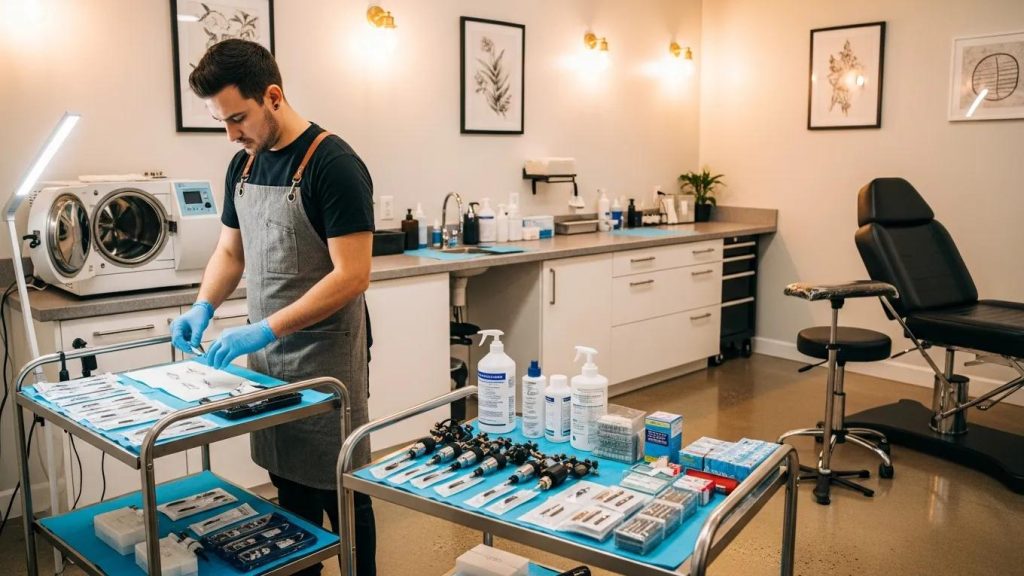
We maintain strict hygiene protocols as part of Toronto Public Health’s BodySafe program, which inspects tattoo studios classified as Critical risk services under Ontario Regulation 136/18 of the Health Protection and Promotion Act. Our practices include:
- Use of Single-Use Needles: Every needle is single-use only to prevent cross-contamination.
- Sanitation Procedures: We rigorously follow cleaning and sterilization protocols for all equipment and surfaces.
- Impact on Healing: These measures minimize microbial risks and support smooth, complication-free healing for our clients.
Our talented artists work extensively across realism tattoos, fine line tattoos, and blackwork tattoos, offering aftercare guidance tailored specifically to each style and placement. You can find healed examples showcasing our expertise in our portfolio, and learn more about our studio and team behind the work. If you have questions or wish to discuss your tattoo needs, feel free to contact us for a consultation or aftercare support between appointments.
Frequently Asked Questions
What should I do if my tattoo shows signs of infection?
If you notice increasing redness, warmth, swelling, spreading redness, or pus, seek medical assessment promptly. A healthcare provider may prescribe oral or topical antibiotics or recommend appropriate wound care. Avoid prolonged self-treatment and follow both medical and tattoo artist guidance while closely monitoring your tattoo.
Can I exercise after getting a tattoo?
Avoid strenuous exercise during the first few days post-tattoo to limit sweat, friction, and skin stretching. Sweat can macerate healing skin and increase infection risk. Gradually resume activity once initial irritation subsides, keeping your tattoo clean and protected during workouts.
How can I keep my tattoo looking vibrant long-term?
Protect pigment from UV exposure with broad-spectrum SPF 30+ sunscreen after healing. Keep your skin hydrated with fragrance-free moisturizers and avoid prolonged soaking in baths or hot tubs. Consistent skincare and sun protection maintain colour saturation and sharpness.
What should I avoid during the tattoo healing process?
Do not submerge your tattoo in water, pick scabs, or expose it to direct sunlight until fully healed. These actions increase infection and scarring risks and may diminish pigment quality. Follow your artist’s tattoo aftercare instructions to support optimal healing.
How do I know when my tattoo is fully healed?
Your tattoo is typically fully healed when the skin texture returns to normal without scabs, peeling, or persistent redness. This can take between 2 to 6 months depending on tattoo depth and individual healing. Consult your artist or a healthcare professional if concerns persist.
What are the best practices for tattoo touch-ups?
Wait at least 6 to 8 weeks after your initial session to allow sufficient epidermal and early dermal repair. Review the healed area with your artist to identify spots needing reinforcement. Ensure your skin is healthy before getting the touch-up and follow recommended tattoo aftercare as for your original tattoo.
Can I use regular lotion on my tattoo during the healing process?
Not all lotions are appropriate. Avoid fragranced or alcohol-containing creams that can irritate healing skin. Use hypoallergenic, fragrance-free moisturizers or products specifically designed for tattoo aftercare to soothe and support barrier repair without provoking sensitivity.
Conclusion
Consistent, evidence-informed tattoo aftercare preserves both healing and the long-term appearance of your tattoo. Follow the practical steps and product recommendations described here, consult your tattoo artist for personalized guidance, and address any concerns promptly with healthcare professionals. Begin your tattoo aftercare routine immediately to optimize healing and pigment longevity.