Quick Answer: The best tattoo aftercare products for sensitive skin in Canada are fragrance-free, alcohol-free, hypoallergenic formulas containing ceramides, panthenol, aloe vera, or shea butter. Avoid products with artificial fragrances, alcohol, retinol, AHAs/BHAs, and tea tree oil.
Best Tattoo Aftercare Products for Sensitive Skin in Canada: A Complete Guide
This guide was reviewed and approved by the professional team at The KCHNTATTOOS (thekchntattoos.ca), a Canadian tattoo studio with extensive experience working with clients who have sensitive, reactive, and eczema-prone skin. Our artists follow strict Health Canada cosmetic guidelines for aftercare product recommendations and stay current with dermatological best practices for tattoo healing.

Getting a tattoo is an exciting form of self-expression, but for those with sensitive skin, the healing process requires extra care and attention. In this comprehensive guide, you will learn how to select the best tattoo aftercare products for sensitive skin in Canada, understand ingredient safety, manage healing stages effectively, and avoid common pitfalls. Whether you have eczema-prone, reactive, or generally sensitive skin, this article provides expert advice and practical tips to ensure your tattoo heals beautifully and comfortably, preserving both your skin’s health and your artwork’s vibrancy.
We will also explore the unique challenges posed by Canadian climates on tattoo healing, provide a detailed comparison of ingredients to look for versus those to avoid, and share insights from professional tattoo artists and dermatologists to help you make informed decisions.
Key Takeaways
- Sensitive skin requires fragrance-free, alcohol-free, and hypoallergenic tattoo aftercare products.
- Patch testing any new product 48 hours before applying to a fresh tattoo is essential.
- The healing process for sensitive skin can take 3-6 months for full dermal recovery.
- Canadian climate factors (cold winters, hot summers) affect healing and product choice.
- SPF 50+ sunscreen is vital after 6 weeks to preserve tattoo color and prevent fading.
- Always consult your tattoo artist before your appointment if you have eczema, psoriasis, or known allergies.
According to Canadian dermatologists, individuals with sensitive or reactive skin should always patch test new skincare products at least 48 hours before applying to a fresh tattoo. Professional tattoo artists recommend consulting with your artist before your appointment if you have eczema, psoriasis, or known skin allergies, so they can guide you on the best aftercare protocol for your skin type.
We will also highlight how The Kchn Tattoos, a trusted Canadian tattoo studio, offers expert advice and personalized aftercare solutions for clients with sensitive skin, ensuring optimal healing and comfort.
Why Does Sensitive Skin Need Special Tattoo Aftercare Products?
Sensitive skin is more prone to irritation, allergic reactions, and prolonged healing times, especially when tattooed. This includes eczema-prone and reactive skin types, which have a compromised skin barrier leading to increased transepidermal water loss (TEWL) and vulnerability to irritants. Additionally, tattoo ink pigments, particularly red ink, are known to cause sensitivity reactions in some individuals.
During the tattoo healing process, the skin passes through stages such as initial healing, peeling, and long-term care, each requiring specific gentle care to avoid complications like contact dermatitis or infection. Harsh products or allergens can worsen irritation and delay healing.
Dermatologists emphasize using hypoallergenic, dermatologist-tested products that support skin barrier repair and moisture retention. Ingredients like ceramides, panthenol, and aloe vera soothe and protect sensitive skin, while avoiding irritants such as fragrances, alcohol, lanolin (for some), and tea tree oil is critical. According to the Canadian Dermatology Association (dermatology.ca), fragrance is the leading cause of allergic contact dermatitis from skincare products.
Health Canada classifies cosmetic ingredients under the Food and Drugs Act, and consumers can verify product ingredient safety through the Health Canada Cosmetic Ingredient Hotlist (canada.ca). Research published in dermatological journals confirms that ceramides play a critical role in restoring skin barrier function after injury or disruption, such as during the tattoo healing process.
The Canadian Dermatology Association notes that individuals with atopic dermatitis (eczema) have a compromised skin barrier, making them more susceptible to infection during the tattoo healing process. This reinforces the importance of using only the gentlest, most clinically appropriate aftercare products and maintaining close communication with both your tattoo artist and your dermatologist.
Tattooing Risks & Recommendations for Chronic Skin Conditions
This includes not only patients with chronic skin diseases such as psoriasis or atopic dermatitis but also patients with other medical conditions. This review first explores the reasons why patients may want to get a tattoo and aims to offer some key information to dermatologists on what they should know about tattooing and the main risks associated with this procedure.
A practical guide about tattooing in patients with chronic skin disorders and other medical conditions, N Kluger, 2018
Bottom Line: Sensitive skin requires specialized, fragrance-free, hypoallergenic aftercare products to support healing and prevent complications.
How Do You Select the Best Aftercare Products for Sensitive Skin?
Selecting the best tattoo aftercare products for sensitive skin in Canada means choosing formulations with safe, soothing ingredients and avoiding known irritants. Understanding ingredient labels and your skin’s needs is essential.
What Ingredients Should You Look For in Tattoo Aftercare Products?
| LOOK FOR | AVOID |
|---|---|
| Ceramides | Artificial fragrances |
| Panthenol (Vitamin B5) | Denatured alcohol (ethanol) |
| Aloe vera | Lanolin (for wool-sensitive individuals) |
| Shea butter | Tea tree oil (for reactive skin) |
| Fragrance-free formulas (note: ‘unscented’ may still contain masking fragrances) | Retinol |
| Hypoallergenic label | AHAs/BHAs |
| Alcohol-free | Petroleum-based products in excess |
| Calendula extract | Colorants/dyes |
| Bisabolol | |
| Glycerin |
Which Ingredients Should Sensitive Skin Avoid in Tattoo Aftercare?
Avoid artificial fragrances, denatured alcohol, lanolin (especially if allergic), tea tree oil, retinol, AHAs/BHAs, excessive petroleum-based products, and colorants/dyes as they can irritate sensitive skin or delay healing.
Patch Testing Before Use
Always perform a patch test by applying a small amount of new product on a discreet skin area 24-48 hours before use to check for adverse reactions like redness or itching. This is especially important for sensitive or eczema-prone skin.
Bottom Line: Choose hypoallergenic, fragrance-free, and dermatologist-tested products and always patch test before applying to a new tattoo.
Tattoo Ink Sensitivity and Skin Reactions
Not all tattoo inks are created equal when it comes to sensitive skin. Red and orange ink pigments are among the most commonly associated with skin reactions, as they may contain iron oxides, azo dyes, or mercury sulphide, all of which can trigger contact dermatitis or allergic responses in reactive skin. If you have known pigment sensitivities, discuss ink options with your tattoo artist before your appointment. Patch testing with ink on a small area of skin 4-6 weeks in advance is an option for highly sensitive individuals.
Second Skin / Tattoo Film Bandages for Sensitive Skin
Many tattoo artists now offer second skin bandages (polyurethane film dressings such as Saniderm or Tegaderm) as part of initial aftercare. For sensitive skin clients, these can be beneficial because they keep the healing wound protected from environmental bacteria, clothing friction, and moisture loss during the critical first 24-72 hours. However, individuals with adhesive sensitivities should inform their artist in advance, as the adhesive on these films can cause contact dermatitis in some people. If irritation develops under a second skin bandage, remove it gently with warm soapy water and consult your artist.
Unscented vs. Fragrance-Free
One of the most important — and frequently misunderstood — distinctions when choosing tattoo aftercare products for sensitive skin is the difference between unscented and fragrance-free. Unscented means no perceptible odor, but the product may still contain synthetic masking fragrances that neutralize natural ingredient smells. These masking agents can still trigger reactions in sensitive or allergic skin. Fragrance-free means no fragrances of any kind have been added, making it the safer choice for sensitive skin. When in doubt, choose fragrance-free over unscented.
The Role of the Skin Microbiome in Tattoo Healing
The skin microbiome — the ecosystem of trillions of beneficial microorganisms living on healthy skin — plays a protective role in immune defense and skin barrier integrity. When a tattoo needle penetrates the dermis, it temporarily disrupts this microbiome and creates a wound environment. For people with sensitive skin conditions like atopic dermatitis or rosacea, the microbiome is often already dysregulated, meaning disruption from tattooing can lead to prolonged inflammation or slower healing. Choosing aftercare products free from harsh broad-spectrum antimicrobials (after the first 3 days) and incorporating microbiome-supportive ingredients like prebiotics, niacinamide, or postbiotics can help restore microbial balance and support healthier, faster healing.
Bottom Line: Supporting the skin microbiome with gentle, microbiome-friendly products aids sensitive skin tattoo healing.
Best Tattoo Aftercare Products for Sensitive Skin in Canada
When choosing tattoo aftercare products for sensitive skin in Canada, prioritize Health Canada approved items available at pharmacies like Shoppers Drug Mart or through trusted tattoo artists. Health Canada’s regulations ensure ingredient safety and product quality.
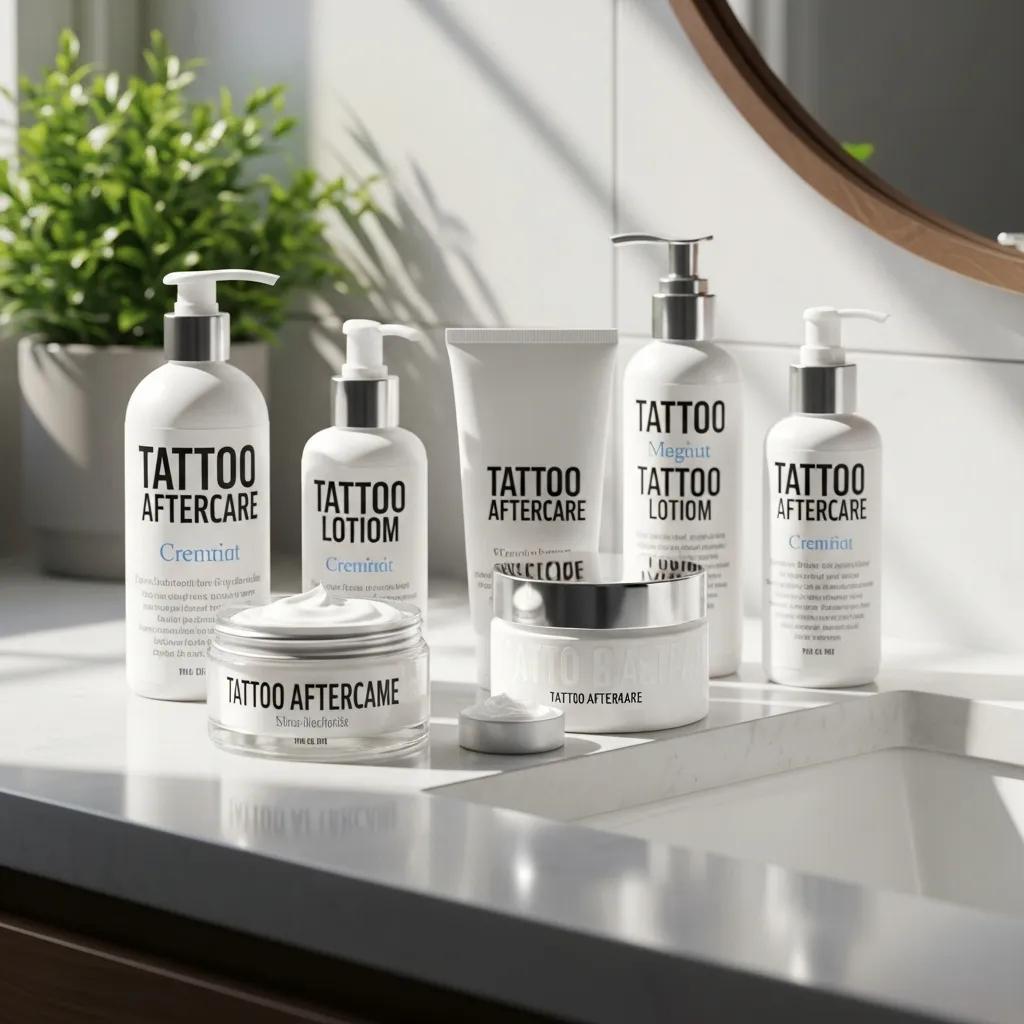
Recommended product types include:
Best Tattoo Balms for Sensitive Skin
- Hustle Butter Deluxe: Natural, vegan balm with shea butter and coconut oil, free from petroleum jelly and fragrances, ideal for moisture retention and soothing sensitive skin.
- Bepanthen Healing Ointment: Contains panthenol, dermatologist-tested, promotes skin repair and hydration during initial healing.
- Saniderm Tattoo Balm: Hypoallergenic, fragrance-free, supports skin barrier restoration and protects the tattoo.
Best Fragrance-Free Tattoo Lotions
- Aveeno Daily Moisturizing Lotion: Fragrance-free, hypoallergenic, enriched with colloidal oatmeal and ceramides to soothe eczema-prone and reactive skin.
- Cetaphil Moisturizing Lotion: Dermatologist-recommended, fragrance-free, alcohol-free, excellent for maintaining moisture without irritation.
- Eucerin Advanced Repair Lotion: Contains ceramides and natural moisturizing factors, suitable for long-term care of sensitive skin tattoos.
Best Gentle Cleansers for New Tattoos
- Cetaphil Gentle Skin Cleanser: Mild, pH-balanced, fragrance-free cleanser that removes impurities without stripping moisture or damaging the skin barrier.
- Dial Gold Antibacterial Soap: Gentle, pH-balanced antibacterial soap that cleanses without harsh chemicals, ideal for initial healing.
Additionally, second skin bandages or tattoo film wraps like Saniderm or Tegaderm are excellent options for sensitive skin clients during the initial healing phase to protect the tattoo and reduce irritation.
Bottom Line: Use Health Canada approved, fragrance-free, hypoallergenic products and consider protective tattoo films for optimal sensitive skin aftercare.
What Are the Unique Challenges of Tattooing Sensitive Skin in Canadian Climates?
Canada’s climate poses specific challenges for tattoo healing on sensitive skin. Cold, dry winters in provinces like Alberta, Manitoba, and Saskatchewan can dehydrate skin, increasing dryness and irritation risk. Rich, emollient balms help maintain moisture and protect the skin barrier.
Hot, humid summers cause sweating that may irritate new tattoos and increase infection risk. Keeping the tattoo clean, dry, and covered with breathable fabrics is essential.
After full healing (6+ weeks), applying broad-spectrum SPF 50+ sunscreen protects the tattoo from UV damage and fading, crucial in Canadian summers despite cooler temperatures.
Many Canadian tattoo artists and dermatologists recommend autumn and early winter as ideal tattooing seasons for sensitive skin due to reduced sweating and sun exposure.
Wear loose, breathable cotton clothing over healing tattoos; synthetic fabrics trap heat and moisture, increasing irritation and bacterial growth. Avoid tight waistbands, bra straps, or seatbelts pressing on the tattoo.
Hard water in some Canadian regions can leave mineral residue on healing skin, causing mild irritation. Rinsing tattoos with filtered or bottled water during the first healing week can help.
Bottom Line: Adjust aftercare to Canadian seasonal conditions, using richer moisturizers in winter and protective measures in summer to support sensitive skin healing.
Tattoo Aftercare for Sensitive Skin: Do vs. Don’t
| DO | DON’T |
|---|---|
| Use fragrance-free, alcohol-free, hypoallergenic productsWash gently with lukewarm water and fragrance-free soap 2x dailyApply a thin layer of tattoo balm or lotion 2-3x dailyPatch test new products before applying to your tattooWear loose, breathable cotton clothing over healing tattoosApply SPF 50+ once healed (after 6 weeks)Consult your tattoo artist or dermatologist if concernedKeep the tattoo out of direct sunlight during healingStay hydrated to support skin healing from within | Use products containing artificial fragrances, alcohol, retinol, AHAs/BHAsPick, scratch, or peel the tattoo during the peeling stageSubmerge the tattoo in pools, hot tubs, lakes, or the ocean before fully healedApply too thick a layer of product (traps moisture and bacteria)Use ‘unscented’ products as a substitute for ‘fragrance-free’Expose the healing tattoo to direct sunlight or UV tanning bedsUse gym equipment or sweat heavily on the tattoo in the first 2 weeksCover with non-breathable plastic wrap for extended periods after the first day |
Tattoo Aftercare Routine for Sensitive Skin: Step-by-Step
A clear, structured aftercare routine ensures your tattoo heals well without complications. Follow these steps tailored for sensitive skin:
| Healing Stage | Care Instructions |
|---|---|
| Days 1-3 | Wrap care, first washes (2x daily) with mild cleanser, apply thin layer of healing ointment |
| Days 4-7 | Begin transitioning to tattoo lotion, continue moisturizing 2-3x daily |
| Days 8-14 | Peeling stage — moisturize regularly, do not pick, avoid sun exposure |
| Weeks 3-4 | Surface healed — continue light moisturizing, introduce SPF 50+ sunscreen on the tattoo |
| Month 2-6 | Full dermal healing — monthly SPF application recommended |
Bottom Line: Follow a gentle, consistent aftercare routine with appropriate products and sun protection for several months to ensure full healing.
What Are the Most Common Tattoo Aftercare Mistakes for Sensitive Skin?
- Using fragranced or alcohol-based products: These cause contact dermatitis and delay healing.
- Over-moisturizing: Excess ointment traps bacteria and can cause infection.
- Ignoring patch testing: Skipping increases allergic reaction risk.
- Picking at peeling skin: Leads to scarring and uneven tattoo appearance.
- Exposing the tattoo to direct sunlight too early: UV rays cause fading and skin damage.
Bottom Line: Avoid these common mistakes to protect your sensitive skin tattoo and promote smooth healing.
When Should You See a Doctor About Your Healing Tattoo?
Seek medical advice if you experience:
- Excessive redness, swelling, or warmth around the tattoo
- Blistering, hives, or intense itching beyond normal healing
- Signs of infection such as pus, foul odor, or fever
- Persistent pain or discomfort after the initial healing phase
Distinguish normal healing signs (redness, mild swelling, peeling, mild itchiness) from allergic reactions (hives, excessive swelling, blistering, weeping skin, systemic symptoms like fever) which require immediate attention.
Health Canada provides resources on skin reactions and approved cosmetic ingredients. Consulting a dermatologist or your tattoo artist helps manage allergic reactions or complications effectively.
Allergic Reactions to Tattoo Aftercare Products
Furthermore, some reports mentioned the existence of type-IV allergic reactions associated with tattoo aftercare products (e.g., topical antibiotics, moisturizers, or sunscreens), which can complicate the healing process.
Cutaneous adverse reactions associated with tattoos and permanent makeup pigments, 2024
Bottom Line: Promptly consult healthcare professionals if you suspect an allergic or infectious reaction during tattoo healing.
Frequently Asked Questions About Tattoo Aftercare for Sensitive Skin
The information in this guide is based on professional tattoo artist experience and widely accepted dermatological guidelines. Always consult a healthcare professional for personalized medical advice.
How Can The Kchn Tattoos Artists Customize Aftercare for Sensitive Skin Clients?
At The Kchn Tattoos, our artists specialize in sensitive, eczema-prone, and reactive skin. We use hypoallergenic inks and Health Canada approved aftercare products to minimize allergic reactions and irritation. Our personalized approach includes:
- Patch testing before tattooing to identify sensitivities.
- Customized aftercare instructions tailored to skin type and healing stage.
- Recommendations for Canadian available products that are fragrance-free, alcohol-free, and dermatologist-tested.
- Ongoing support throughout healing, including advice on managing the process and choosing a tattoo artist in Canada who understands sensitive skin.
This expert guidance ensures your tattoo heals beautifully and comfortably, preserving artwork quality and skin health.
Where Can You Find Trusted Tattoo Aftercare Products in Toronto and Scarborough?
For the best tattoo aftercare products for sensitive skin in Canada, especially Toronto and Scarborough, The Kchn Tattoos studio is a reliable source. Located at 240 Alton Towers Cir Unit A4, Scarborough, ON M1V 4P2, we offer a curated selection of Health Canada approved aftercare products suitable for sensitive skin. These products are also available at major Canadian pharmacies like Shoppers Drug Mart or through Canadian tattoo artists specializing in sensitive skin care.
For personalized recommendations, contact us at (289) 301-3034. Explore our tattoo portfolio to see examples of our work and learn about realism tattoos, fine line tattoos, and black work tattoos suitable for sensitive skin.
Choosing a tattoo artist in Canada who understands sensitive skin and the healing process is as important as selecting the right aftercare products. Proper guidance and professional care make all the difference in your tattoo experience and results.
How Long Should I Continue Using Moisturizers After My Tattoo Heals?
Continue moisturizing tattooed skin for several months after surface healing to support full dermal healing and maintain skin barrier integrity. Use fragrance-free, ceramide-rich moisturizers to preserve tattoo vibrancy and skin health.
Can I Use Sunscreen on a New Tattoo?
Apply sunscreen only after full healing, typically after 6 weeks. Use broad-spectrum SPF 50+ sunscreen to protect the tattoo from UV damage and prevent fading.
Is It Safe to Tattoo Over Eczema or Psoriasis?
Consult both your dermatologist and tattoo artist before tattooing over eczema or psoriasis areas. Patch testing and customized aftercare minimize risks and ensure safe healing.
What Should I Do If I Experience an Allergic Reaction During Tattoo Healing?
If you notice persistent redness, swelling, itching, or blistering, stop using the suspected product and promptly consult your tattoo artist and a healthcare professional to manage the reaction effectively.
How Does Canadian Climate Affect Tattoo Healing for Sensitive Skin?
Cold, dry winters dehydrate healing skin, requiring richer moisturizers, while hot, humid summers increase sweating and irritation risk. Adjust your aftercare routine seasonally to maintain optimal healing conditions.
What Are the Roles of Humectants, Emollients, and Occlusives in Tattoo Aftercare?
Understanding moisturizing agents helps in selecting effective tattoo aftercare products. Humectants like glycerin and aloe vera draw moisture into the skin; emollients such as shea butter and ceramides smooth and soften the skin barrier; and occlusives like petroleum jelly seal moisture in. The best products for sensitive skin combine these to support comprehensive healing.
Bottom Line: Balanced moisturizing agents in aftercare products promote optimal skin barrier repair and hydration.
How Does the Microbiome Affect Healing Tattoos on Sensitive Skin?
A healing tattoo disrupts the skin’s natural microbiome—the beneficial bacteria protecting healthy skin. This disruption is more pronounced in sensitive or reactive skin, so using prebiotic or microbiome-friendly formulas (avoiding harsh antimicrobials beyond initial healing days) supports healthier recovery.
Bottom Line: Supporting the skin microbiome with gentle, microbiome-friendly products aids sensitive skin tattoo healing.
Related Topics
- The tattoo healing process and what to expect at each stage
- Tattoo placement considerations for sensitive skin
- How to prepare your skin before getting a tattoo
Ready to Care for Your Sensitive Skin Tattoo?
Protect your investment and skin health by choosing the right aftercare products and expert guidance. Book a consultation with The Kchn Tattoos today to receive personalized advice tailored to your skin type and tattoo needs.
About The KCHNTATTOOS
The KCHNTATTOOS is a professional Canadian tattoo studio dedicated to delivering exceptional tattoo experiences. Our team of experienced, licensed tattoo artists has worked with hundreds of clients across a broad range of skin types, including sensitive, reactive, eczema-prone, and dermatitis-affected skin. We take aftercare seriously — because how your tattoo heals is just as important as how it looks the day it is done.
This guide reflects our professional experience and our commitment to ensuring every client, regardless of skin type, achieves the best possible healing outcome. For personalized aftercare advice tailored to your specific skin type and tattoo, we invite you to book a consultation with our team at thekchntattoos.ca.