By Kevin Chen, The Kchn Tattoos
Getting your first tattoo is a deliberate step that pairs personal expression with professional artistry. This guide outlines design selection, pain management, safety protocols, and aftercare so you can make informed choices. Many first-time clients feel anxious; learning what to expect reduces stress and improves healing. Read on to understand the process from consultation to a healed result.
Key Takeaways
- Choosing a tattoo design with personal meaning enhances your connection to the artwork and its significance.
- Understanding pain levels and using management techniques like breathing exercises can improve your tattoo experience.
- Prioritize safety by selecting reputable studios that follow strict hygiene and sterilization protocols.
- Proper aftercare, including cleaning and moisturizing, is essential for tattoo healing and long-term maintenance.
- Popular beginner tattoo styles include realism, fine line, and blackwork, each with unique artistic characteristics.
- Preparing for your appointment by bringing design references and asking questions helps ensure a smooth process.
- Communicating openly with your tattoo artist allows for design collaboration and adjustments during the session.
- Recognizing healing stages and monitoring for infection supports timely intervention and healthy tattoo recovery.
- Booking with trusted artists involves researching portfolios, reading reviews, and using reliable scheduling systems.
Expert Guide to Getting Your First Tattoo
Your first tattoo involves choices that directly affect the outcome. Design should reflect your intent. Pain management and clear communication with the artist make the session more comfortable. Safety practices protect both your skin and the artist’s workspace. Knowing these factors helps you approach the appointment with confidence.
Design Choices
Choosing the right tattoo design is a pivotal step in the tattooing process. Here are some factors to consider when selecting your design:
- Meaning and Significance: Reflect on what the tattoo represents for you personally. A meaningful design can enhance your connection to the artwork.
- Placement and Size Considerations: Think about where on your body you want the tattoo and how large it should be. Different areas can affect visibility and pain level during the process.
- Collaboration with Artists: Work closely with your tattoo artist to create a design that aligns with your vision. Reviewing their portfolio can help you gauge their style and expertise.
After considering these factors, book a consultation with a professional artist. The Kchn Tattoos specializes in custom tattoo designs and will translate your concept into precise, high-quality work.
How to Choose a Custom Tattoo Design That Suits You
Choose a custom design through reflection and collaboration. Brainstorm symbols, quotes or images that matter to you. Share references with your artist; they will advise on line weight, contrast and placement so the piece ages well. Prioritize clarity and meaning to ensure a lasting result.
Pain Management
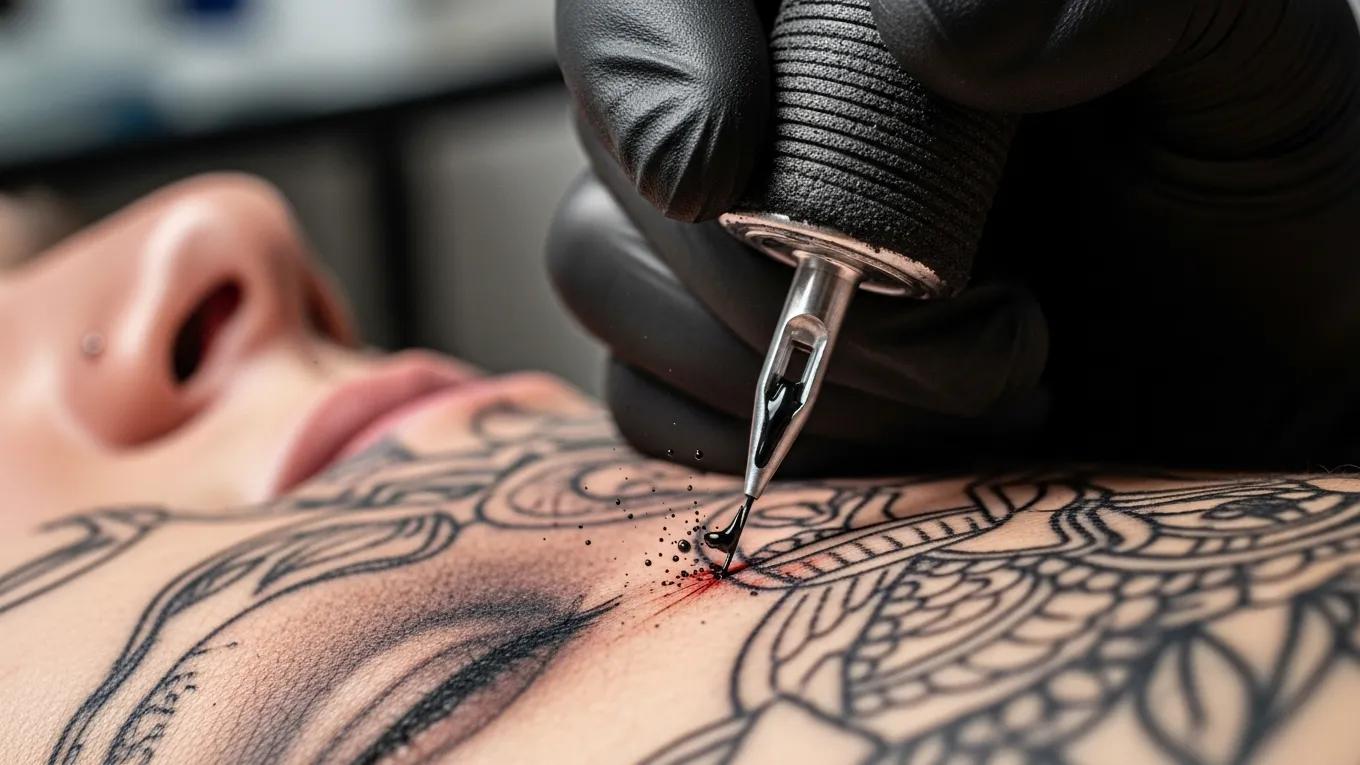
Pain during tattooing varies and is manageable with preparation. Tolerance, skin sensitivity and location all influence sensation. Use practical steps to reduce discomfort and communicate with your artist throughout the session.
- Understanding Pain Levels: Familiarize yourself with the typical pain levels associated with different body areas. Areas with more flesh and muscle tend to be less painful than bony areas.
- Preparation Tips for Pain Management: Arrive well-rested and hydrated. Eating a light meal beforehand can also help stabilize your blood sugar levels.
- Communication with the Artist: Don’t hesitate to communicate with your artist during the session. They can adjust their technique or take breaks as needed to help you manage discomfort.
Which Factors Influence Tattoo Pain for First-Timers?
Skin thickness, nerve density and your personal pain threshold determine the sensation you feel. Bony areas and places with thin epidermis are usually more sensitive. Knowing where these areas are helps you choose placement that suits your tolerance.
What Are Effective Pain Management Techniques During Tattooing?
Effective techniques include distraction (music or conversation), paced breathing and short breaks. Topical numbing creams are an option for some clients; discuss proper use with your artist beforehand so it integrates safely with their technique.
Safety Precautions
Safety is non-negotiable when getting a tattoo. In Ontario, tattoo studios must comply with Ontario Regulation 136/18 (Personal Service Settings) under the Health Protection and Promotion Act. Toronto Public Health inspects studios using the BodySafe program, classifying tattooing as a Critical risk service requiring at least annual inspections along with complaint-based visits.
When you arrive at a studio, look for a posted BodySafe notice: green indicates Pass, yellow means Conditional Pass, and red signifies Closed. This public display is an important marker of the studio’s hygiene standards.
Studios use sterilizers that meet Health Canada and Canadian Standards Association (CSA) standards; glass bead sterilizers, UV boxes, chemiclaves, ultrasonic cleaners alone, pressure cookers, microwaves, glutaraldehyde and boiling water are not approved methods.
The Kchn Tattoos adheres to these standards and runs a laboratory spore test on our sterilizer at least every fourteen days to confirm effectiveness.
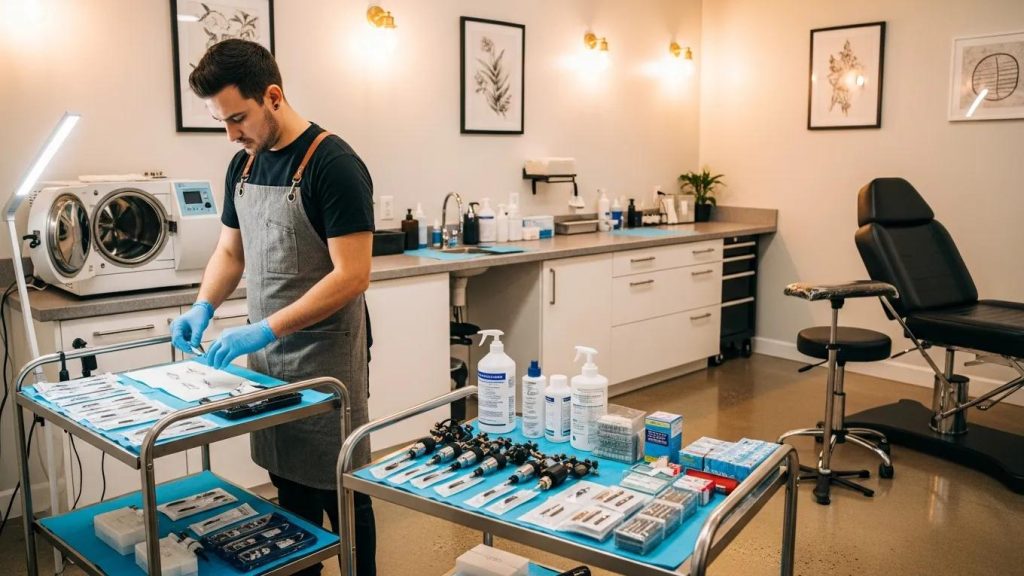
New sterile needles are opened in front of each client. Razors, stencils and ink caps are single-use, and tattoo machines are covered with single-use plastic film between clients.
We also provide written aftercare instructions to every client as a mandatory part of our service.
- Choosing a Reputable Studio: Verify the studio’s BodySafe inspection notice and ask about sterilization protocols. A reputable studio operates with clear consent and safety procedures.
- Health Disclosures to Inform the Artist: Be open about any medical conditions or allergies you may have. This information helps the artist take necessary precautions.
- Post-Procedure Monitoring: After getting your tattoo, monitor the area for any signs of infection or adverse reactions. Contact your artist or a healthcare professional if you notice anything unusual.
Aftercare Practices
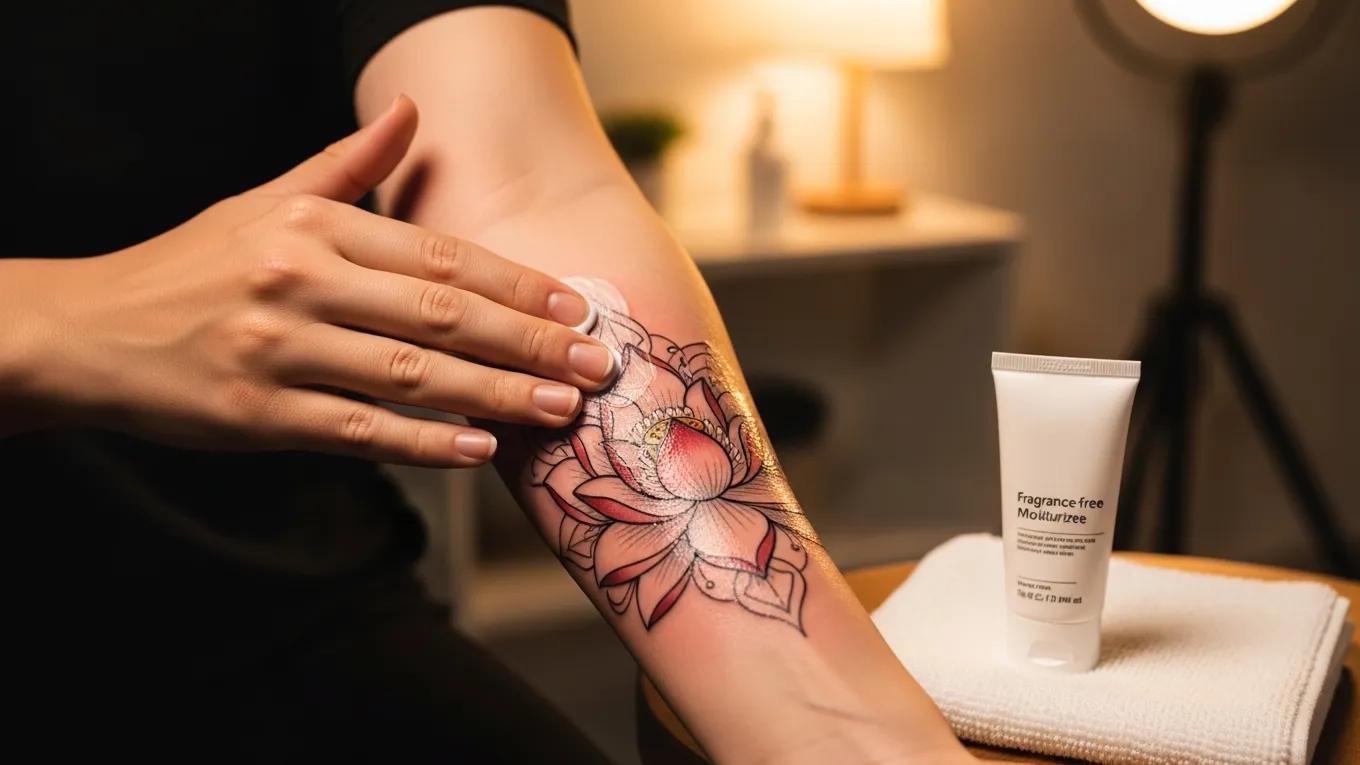
Aftercare determines how well your tattoo heals and how long it keeps its detail. Follow your artist’s cleaning and moisturizing protocol, protect the area from UV exposure, and avoid prolonged soaking until the skin is healed.
In the Greater Toronto Area, the climate influences aftercare timing. Indoor forced-air heating from approximately November through March can dry your skin substantially, so you may need to moisturize your healing tattoo more often during these months.
Summers in the GTA tend to be humid, which increases sweating and friction. Plan your tattoo sessions to avoid beach trips, pools and patio gatherings during the healing period, as submerging or exposing a fresh tattoo to sun can lead to damage.
- Initial Care Steps: Follow your artist’s instructions for cleaning and moisturizing the tattooed area. Keeping it clean and moisturized helps prevent infection.
- Understanding Healing Stages: Familiarize yourself with the typical healing stages of a tattoo, including peeling and itching. This is a normal part of the healing process.
- Long-Term Care for Tattoo Maintenance: Protect your tattoo from sun exposure and consider using sunscreen to maintain its appearance over time.
What Are the Recommended Aftercare Steps for Realism Tattoos?
Realism pieces rely on fine detail, so strict aftercare matters. Keep the tattoo covered for the initial hours, then wash gently with mild soap and lukewarm water. Apply a thin layer of fragrance-free moisturizer and avoid soaking the area for at least two weeks. Do not pick at scabs; allow them to fall away naturally.
How to Recognize and Address Common Healing Stages and Issues
Healing commonly progresses through redness, light swelling, scabbing and peeling. Watch for warning signs: excessive redness, pus or persistent pain may indicate infection. Contact your artist or a healthcare provider if symptoms worsen.
Which Tattoo Styles Are Best for Beginners?
Choose a style that matches your aesthetic and the artist’s strengths. Simpler styles often require shorter sessions and are easier to maintain while you learn how your skin reacts to ink.
- Realism Tattoos: While realism is the studio’s signature style and a popular goal, it typically involves longer sessions and a bigger commitment. Many first-timers start with a smaller piece or a simpler style and build up. Owner Kevin Chen has over 14 years specializing in black and grey realism.
- Fine Line Tattoos: Characterized by delicate lines and minimal shading, fine line tattoos are often less painful and can be customized easily. Tracy has more than 5 years of experience in fine line and custom lettering.
- Blackwork Tattoos: This style uses solid black ink to create bold designs. YB and Justin both have 3 years of expertise in realism and blackwork.
What Defines Realism, Fine Line, and Blackwork Tattoos?
Realism focuses on lifelike shading and tonal transitions that demand technical precision. Fine line uses narrow needles and minimal shading for a delicate look. Blackwork employs solid black areas and high contrast for bold, graphic impact. Match the style to the artist’s portfolio for best results.
How Should You Prepare for Your First Tattoo Appointment?
Preparation reduces complications and improves comfort. Plan practical items to bring, prepare questions, and use simple relaxation techniques to manage anxiety before the session.
- What to Bring to the Appointment: Bring any reference images or sketches that represent your desired design. This will help your artist understand your vision.
- Questions to Ask the Artist: Prepare a list of questions regarding the tattoo process, aftercare, and any concerns you may have. This will help you feel more informed and comfortable.
- Tips for Managing Anxiety: If you’re feeling anxious, consider practising relaxation techniques such as deep breathing or visualization. Arriving early can also help you acclimate to the environment.
What to Expect During a Personalized Tattoo Consultation
In the consultation you will review references, placement and scale. The artist will assess skin texture and offer technical suggestions to preserve detail. Expect discussion of time, pricing and aftercare so the session is planned to professional standards.
How to Follow Pre-Tattoo Hygiene and Safety Protocols
Follow basic hygiene: shower before your appointment and avoid applying lotions or perfumes to the area. Confirm the studio uses sterilized equipment and disposable materials. If you are unwell or have active skin issues, reschedule to avoid complications.
- Personal Hygiene Practices: Shower before your appointment and avoid applying lotions or perfumes to the tattoo area.
- Studio Hygiene Standards: Ensure the studio follows strict hygiene practices, including the use of sterilized equipment and disposable materials.
- Health Considerations: If you are feeling unwell or have any skin issues, consider rescheduling your appointment to ensure a safe experience.
How to Book Your Custom Tattoo with Trusted Artists in Toronto?
Booking with a trusted artist starts with research. Review portfolios and client feedback, then use the studio’s booking system to request a consultation. Provide clear references and any relevant medical information to streamline the appointment.
The Kchn Tattoos is located at 240 Alton Towers Cir Unit A4, Scarborough, ON M1V 4P2, serving the Greater Toronto Area. Our team includes Kevin Chen, owner and black and grey realism specialist, Tracy who focuses on fine line and custom lettering, YB and Justin skilled in realism and blackwork, and Caitlin who manages client communication and bookings.
- Finding Trusted Artists: Research local artists and read reviews to find someone whose style resonates with you. Look for portfolios that showcase their work.
- Using the Booking System: The Kchn Tattoos offers an easy-to-use booking system that allows you to schedule your appointment conveniently. Ensure you provide all necessary information during the booking process.
- What to Expect During the Booking Process: After booking, you will receive confirmation and any additional information needed for your appointment. This may include pre-appointment instructions or consultation details.
What Credentials and Expertise Should You Look for in Tattoo Artists?
Look for artists with a consistent portfolio in your chosen style and clear client testimonials. Relevant credentials include apprenticeships, professional training and adherence to local health regulations. A reputable artist will explain their technique and answer questions openly.
How to Use The Kchn Tattoos’ Booking System for a Seamless Experience
To book via The Kchn Tattoos, visit the website’s booking section and complete the required fields: preferred date, design references and any medical notes. Submit the request and await a confirmation email with next steps and pre-appointment guidance.
First-time clients usually start by looking at the work itself, so browse our portfolio and the style pages for realism tattoos, fine line tattoos and blackwork tattoos; read about our studio and the artists; review tattoo aftercare guidance before your appointment; and contact us when you are ready to book a consultation.
Frequently Asked Questions
What should I consider when choosing the placement of my tattoo?
Consider visibility, pain tolerance and practicality. Upper arm and thigh are easier to conceal and typically less sensitive; ribs and spine are more painful. Think about how the placement fits your lifestyle and clothing choices, and discuss options with your artist for technical guidance.
How can I ensure my tattoo heals properly?
Follow your artist’s aftercare: keep the area clean, apply the recommended moisturizer, avoid direct sun and don’t submerge the tattoo until healed. Stay hydrated and maintain good nutrition to support recovery. Contact your artist or a healthcare professional if you have concerns.
What are the common misconceptions about tattoo pain?
People often expect extreme pain, but sensation varies by location and individual tolerance. Many clients find the experience more manageable than feared. Techniques like controlled breathing and distraction reduce discomfort, and artists can adjust pacing as needed.
How do I know if a tattoo studio is reputable?
Check for a posted BodySafe notice when you enter the studio: green means Pass, yellow is Conditional Pass, and red is Closed. This notice is part of Toronto Public Health’s inspection system. Ask about sterilization methods and compliance with Ontario Regulation 136/18 under the Health Protection and Promotion Act. Confirm that needles are opened in front of you and that other single-use items, such as razors and ink caps, are used properly.
What should I do if I experience an allergic reaction to my tattoo?
If you suspect an allergic reaction, such as severe itching, rash or swelling, avoid scratching and apply a cool compress to soothe skin. Consult your artist and, if symptoms persist, seek medical advice. Over-the-counter antihistamines or topical treatments may be recommended by a professional.
Can I get a tattoo if I have certain medical conditions?
Certain conditions such as diabetes, active skin disorders or immune suppression can increase risk. Disclose your medical history during consultation and follow your artist’s advice. They may recommend you consult a healthcare provider before proceeding.
What are the long-term effects of getting a tattoo?
Tattoos can fade and blur over time; touch-ups may be required to restore detail. Skin aging and changes in elasticity affect appearance. Some people experience allergic reactions to ink. Proper aftercare and sun protection will extend the tattoo’s longevity.
Conclusion
Getting your first tattoo is a considered decision that combines meaning and craft. By addressing design, pain management, safety and aftercare, you set the foundation for a successful outcome. When you’re ready, review trusted artist portfolios and book a consultation at The Kchn Tattoos, located at 240 Alton Towers Cir Unit A4, Scarborough, ON, to move forward with confidence.