Recognizing Tattoo Infection Signs and Prevention: Expert Guidance on Healing, Aftercare, and Safety
By Kevin Chen (Kchen), Owner and Lead Artist at The Kchn Tattoos| 14 Years Specializing in Black & Grey Realism
A tattoo is both art and a controlled injury to the skin. Proper aftercare and infection prevention determine how well the tattoo heals and how it will look long term. With 14 years of experience, Kevin Chen (Kchen) has guided thousands of clients through safe healing practices. This guide gives clear, expert advice on recognizing infection signs, practical prevention steps, and essential aftercare so you can protect your new work and reduce complications.
This resource covers the healing timeline, common infection indicators, and how to distinguish routine healing from concerning symptoms. It also lays out prevention strategies, actionable aftercare practices, and why consulting a professional artist matters for sterile technique and personalized guidance. Our team’s combined 25+ years of experience at The Kchn Tattoos in Scarborough has shown us what effective infection prevention looks like in practice.
Key Takeaways
- The tattoo healing process involves redness, swelling, peeling, and maturation stages lasting up to six weeks.
- Common tattoo infection signs include persistent redness, unusual swelling, discharge, increased pain, and fever.
- Proper aftercare includes hand hygiene, gentle cleansing with mild soap, and moisturizing with fragrance-free products.
- Early recognition of infection symptoms is crucial for timely medical consultation and preventing complications.
- Professional tattoo studios follow strict sterilization and hygiene protocols to minimize infection risks.
- Tattoo artists play a key role by providing safe application, adherence to hygiene standards, and client aftercare education.
- Custom tattoo designs should consider skin type and healing to support safe application and optimal recovery.
- Minor infections may be managed at home with warm compresses and pain relief, but worsening symptoms require medical attention.
Tattoo Healing Process and Aftercare
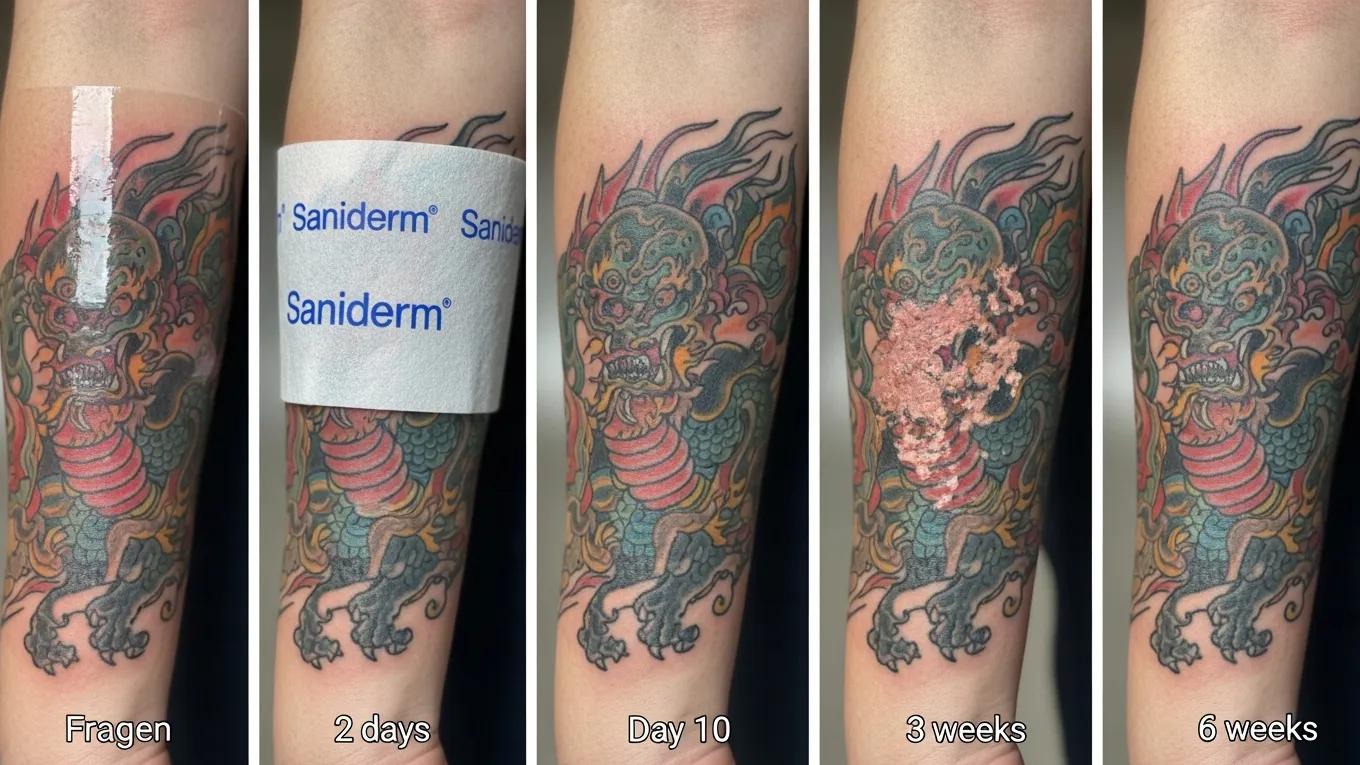
Healing after tattooing is a staged physiological process. Your skin repairs the needle trauma through predictable changes. Following targeted aftercare during each stage reduces infection risk and supports pigment retention. At The Kchn Tattoos, our team including Tracy, YB, and Justin provide personalized aftercare instructions suited for different tattoo styles.
Healing Stages
Tattoo healing typically progresses through observable stages. At first the area is red and swollen due to acute inflammation from the needle trauma. Over the next days you’ll see peeling and flaking as the epidermis sheds damaged cells. Keep the area clean and hydrated to support re-epithelialization. Full surface healing can occur in 2–3 weeks, depending on size and placement.
Style-Specific Healing Notes: Realism pieces by Kevin Chen (Kchen) involve dense, layered shading that needs extra vigilance during peeling. Tracy’s fine line work uses shallow ink deposits that heal faster but require gentle care to avoid line distortion. YB and Justin’s blackwork involves heavy saturation prone to scabbing if not properly moisturized.
Common Signs of Infection
Early identification of infection allows prompt care. Watch for persistent or worsening signs rather than transient changes that are normal during healing.
- Persistent Redness: While some redness is normal, persistent or increasing redness can indicate an infection.
- Unusual Swelling: Swelling that does not subside after a few days may be a sign of infection.
- Discharge: Any pus or unusual discharge from the tattoo site is a clear indication of infection.
Recognize these signs early so you can seek medical assessment without delay.
Although serious complications are uncommon, being familiar with possible infections and immune reactions helps you manage risks and respond appropriately.
Tattoo Complications: Infections, Reactions & Prevention
Adverse reactions to tattoos are relatively uncommon but can be unpredictable; they include immune-mediated responses and skin infections. Improvements in public health measures and single-use needles have reduced major infectious complications such as hepatitis and retroviral transmission. When skin infections do occur, they are most often associated with Staphylococcus aureus or Streptococcus pyogenes. Acute local inflammation is the most frequent issue, but infections, allergic contact dermatitis and other inflammatory responses may also present.Medical complications of tattoos: a comprehensive review, 2016
Differentiating Normal Healing from Infection
Normal healing shows gradual improvement in redness, swelling and itching. Infection typically worsens over time. If symptoms intensify or you develop systemic signs such as fever, contact a healthcare professional.
Early Warning Signs of Infection
Early warning signs that warrant evaluation include systemic and local changes that extend beyond expected healing.
- Fever: A rise in body temperature may indicate an infection.
- Spreading Redness: If the redness around the tattoo begins to spread, it could be a sign of infection.
- Fluid Accumulatio: Any unusual fluid buildup in the area should be evaluated by a professional.
Awareness of these signs helps you act before an infection advances.
Acute complications and alarming symptoms in the first weeks after tattooing often prompt emergency department visits; early assessment reduces the risk of escalation.
Acute Tattoo Complications & Worrisome Symptoms
Acute complications are most likely to appear during the initial weeks after tattooing. Individuals presenting with worrisome symptoms in this period are more likely to seek emergency department care.
Acute complications of tattooing presenting in the ED, N Kluger, 2012
Effective Prevention Strategies
Preventing infection focuses on strict hygiene and consistent aftercare. Implement the following measures to reduce microbial risk and support healing.
- Hand Hygiene : Always wash your hands thoroughly before touching your tattoo.
- Proper Cleansing: Clean the tattooed area gently with mild soap and water.
- Avoiding Irritants: Keep the tattoo away from harsh chemicals and excessive moisture.
Consistent application of these steps lowers infection risk and supports predictable healing. Our artists at The Kchn Tattoos routinely remind clients of these aftercare essentials.
Aftercare Practices
Aftercare directly affects healing quality and pigment outcome. Follow a straightforward routine and adjust if your artist recommends alternatives for your skin type.
- Cleaning Methods: Clean your tattoo with a gentle, fragrance-free soap and pat it dry with a clean towel. Canadian pharmacies like Shoppers Drug Mart or Rexall stock suitable products.
- Moisturization Tips: Apply a thin layer of fragrance-free moisturizer or a specialized tattoo aftercare product like those approved by Health Canada (e.g., Aquaphor) to keep the area hydrated.
- Signs to Monitor: Keep an eye on your tattoo for any signs of infection, such as increased redness or discharge.
Adhering to these practices promotes optimal re-epithelialization and reduces complications. Avoid swimming in Ontario lakes or public pools for at least 3-4 weeks to prevent infection.
Consulting a Professional
If you see worrying signs or have questions about healing, consult a professional. At The Kchn Tattoos in Scarborough, we encourage clients to contact us at (289) 301-3034 if they notice concerning signs. Our artists can help assess whether what you’re seeing is normal healing or needs medical review and provide skin-specific aftercare guidance.
What Is the Tattoo Healing Process and Typical Timeline?
Healing follows staged timelines. The initial phase (1–2 weeks) involves inflammation and surface repair with redness and swelling. Peeling and flaking usually follow for another one to two weeks. By 4–6 weeks, most tattoos show stable surface healing, while deeper dermal remodelling can continue for months.
Kevin Chen (Kchen)’s realism pieces typically show surface healing within 2-3 weeks. Tracy’s fine line work often heals within 2 weeks due to lighter ink deposits. YB and Justin’s heavily saturated blackwork may take 3-4 weeks to heal on the surface.
Which Stages Define Normal Tattoo Healing?
Normal healing is described in clear stages:
- Initial Healing: The first few days post-tattooing, where redness and swelling are common.
- Peeling Stage: Occurs around the second week, where the skin begins to flake.
- Settling and Maturation: After about 4 weeks, the tattoo settles into the skin, and colours may appear more vibrant.
Knowing these stages helps you set expectations and spot deviations that suggest infection.
How Long Does Each Healing Stage Usually Last?
Typical durations are:
- Initial Healing: 1-2 weeks
- Peeling Stage: 1 week
- Settling and Maturation: 4-6 weeks
Timelines vary with skin type, tattoo size and placement, and how well aftercare is followed.
What Are the Common Signs and Symptoms of Tattoo Infection?
Common infection indicators include both visible changes and altered sensations that persist or worsen.
- Visual Indicators: Redness, swelling, and discharge.
- Physical Sensations: Increased pain or tenderness around the tattoo.
- Timelines for Onset: Symptoms may appear within a few days to a week after getting the tattoo.
Spotting these signs early lets you seek timely medical care.
How to Differentiate Between Normal Healing and Infection Symptoms?
Monitor symptom progression. Normal healing improves over days; infection shows escalation in pain, redness, pus or systemic symptoms. When in doubt, get a professional assessment.
What Are Early Warning Signs of an Infected Tattoo?
Early warning signs to watch for include:
- Persistent Redness: Redness that does not improve over time.
- Unusual Swelling: Swelling that increases rather than decreases.
- Severe Pain: Pain that intensifies rather than subsides.
Being vigilant about these signs helps you address infections promptly.
How Can You Effectively Prevent Tattoo Infection Through Aftercare?
Effective aftercare focuses on three practical areas: clean hands, gentle cleansing, and appropriate moisturization. Follow these consistently for best results.
- Hand Hygiene: Always wash your hands before touching your tattoo.
- Cleansing Methods: Use mild soap and water to clean the area gently.
- Moisturization: Keep the tattoo moisturized with a fragrance-free product.
Consistent aftercare significantly reduces infection risk and supports pigment retention.
What Are the Best Practices for Tattoo Hygiene and Cleaning?
Best practices centre on gentle, non-irritating care and ongoing monitoring.
- Cleaning Techniques: Use a gentle, fragrance-free soap to clean the tattoo.
- Avoiding Irritants: Keep the tattoo away from harsh chemicals and excessive moisture.
- Monitoring for Infection: Regularly check for signs of infection, such as increased redness or discharge.
Following these measures helps ensure predictable healing and reduces complications.
Which Products and Materials Support Safe Tattoo Aftercare?

Use targeted, skin-friendly products compliant with Health Canada standards. Recommended items include mild, fragrance-free cleansers, fragrance-free moisturizers or dedicated tattoo aftercare ointments, and non-stick dressings for initial protection.
- Cleansers: Mild, fragrance-free soaps for cleaning.
- Moisturizers: Fragrance-free lotions or specialized tattoo aftercare products, such as those available at Canadian pharmacies.
- Dressings: Non-stick bandages to protect the tattoo during the initial healing phase.
Choosing appropriate, high-quality products supports re-epithelialization and reduces irritation.
When Should You Seek Medical Attention for a Suspected Tattoo Infection?
Seek medical care if you observe persistent redness, increasing swelling, pus, worsening pain, or systemic signs such as fever. These signs can indicate bacterial infection requiring treatment.
- Signs of Infection: Persistent redness, swelling, or discharge.
- Increased Pain: Pain that worsens over time.
- Fever: A rise in body temperature may indicate an infection.
Prompt medical attention prevents complications and supports full recovery. Toronto-area urgent care clinics can often assess suspected infections without a full emergency department visit.
Serious bacterial infections can arise from tattooing in rare cases; vigilance and early medical review are essential.
Bacterial Tattoo Infections: Risks & Complications
A systematic review identified documented cases of serious bacterial complications following intradermal ink deposition between 1984 and 2015. Reported outcomes include local infections such as abscesses and necrotizing fasciitis, and systemic complications including endocarditis and septic shock, illustrating that bacterial contamination of inks and procedures can have severe consequences.The risk of bacterial infection after tattooing: a systematic review of the literature, 2016
What Are the Critical Symptoms Indicating Professional Care Is Needed?
Critical symptoms requiring professional assessment include persistent or spreading redness, increasing swelling, severe or escalating pain, fever, and any purulent discharge. These warrant immediate evaluation.
- Persistent Redness: Redness that does not improve.
- Worsening Swelling: Swelling that increases rather than decreases.
- Severe Pain: Pain that intensifies over time.
Early recognition of these signs enables timely treatment and reduces the risk of complications.
Can Some Tattoo Infections Be Treated at Home?
Minor, superficial issues may respond to conservative measures, but you should consult a healthcare professional for any concerning signs. Home care techniques can help in early, mild cases.
- Warm Compresses: Applying a warm compress can help reduce swelling.
- Over-the-Counter Pain Relief: Medications like ibuprofen can alleviate pain.
If symptoms persist or worsen despite home care, seek professional medical advice promptly.
What Safety and Hygiene Standards Does The Kchn Tattoos Follow to Prevent Infection?
At The Kchn Tattoos, our infection prevention protocol meets Ontario health regulations and Health Canada guidelines. Kevin Chen (Kchen), as owner and lead artist, personally oversees all hygiene standards to ensure compliance and client safety.
Our team in Scarborough follows a rigorous regimen, including:
- Medical-Grade Autoclave Sterilization: All reusable equipment is sterilized between uses, with visible sterilization logs that clients can review during consultation.
- Single-Use Needles and Disposable Supplies: We use only single-use needles, ink caps, gloves, and barriers to eliminate contamination risks.
- Bloodborne Pathogen Safety Training: All artists are trained according to the highest infection control standards.
- Studio Cleanliness: All surfaces and workstations are disinfected with medical-grade solutions between appointments.
- Client Education: We provide every client with printed and verbal aftercare instructions tailored to their tattoo style and skin type.
- Follow-Up Support: Our team is available via phone at (289) 301-3034 or email at info@thekchntattoos.ca throughout the healing process for any questions.
These practices ensure that clients receive safe, professional tattoo application and optimal healing conditions, supporting effective tattoo infection prevention in Scarborough and the GTA.
How Does The Kchn Tattoos Ensure a Sterile and Safe Tattoo Application?
The studio uses standard infection-control measures to maintain sterility during procedures and to protect clients before and after tattooing.
- Sterilization Techniques: All equipment is sterilized before use using medical-grade autoclaves with documented logs.
- Equipment Safety: Single-use needles and ink are utilized to prevent contamination.
- Client Safety Measures: Comprehensive aftercare instructions are provided to clients and follow-up support is ensured.
Consistent application of these methods reduces contamination risk and supports safe healing.
Why Is Choosing a Professional Studio Important for Infection Prevention?
Selecting a professional studio reduces infection risk because trained staff follow standardized protocols and use sterile equipment. Professional settings also provide reliable aftercare guidance.
- Professional Standards: Reputable studios like The Kchn Tattoos adhere to strict hygiene protocols compliant with Ontario health regulations.
- Experience of Artists: Skilled artists are trained to recognize and prevent potential issues.
- Hygiene Practices: Professional studios maintain high standards of cleanliness and safety.
Choosing an experienced studio is one of the most effective ways to prevent complications.
How Does Custom Tattoo Design Influence Safe Application and Healing?
Custom designs affect application technique and healing expectations. Artists tailor needle depth, density and stencil placement to suit the client’s skin and the design’s complexity. Our team at The Kchn Tattoos includes Tracy, our fine line tattoos specialist with 5+ years of experience, YB and Justin, our black & grey realism and blackwork specialists with 3+ years of experience each, who all customize designs to support safe healing.
- Personalization Benefits: Tailoring designs to fit the individual’s skin type and body.
- Design Considerations for Healing: Ensuring that the design does not compromise the skin’s integrity.
Thoughtful design planning contributes to safer application and improved healing outcomes.
What Role Do Artists Play in Minimizing Infection Risks?
Artists are responsible for maintaining a sterile workspace, using safe techniques and educating clients on aftercare. Their training and attention to protocol directly reduce infection risk. Our artists at The Kchn Tattoos team provide clients with personalized written aftercare instructions and ongoing support.
- Artist Training: Proper training in hygiene and safety practices.
- Hygiene Practices: Adhering to strict cleanliness protocols during the tattooing process.
- Client Education: Providing clients with essential aftercare information.
The artist’s expertise is a key factor in achieving a safe and successful tattoo.
How Are Personalized Designs Tailored to Support Optimal Healing?
Personalized designs are adjusted for skin type, location and the client’s healing capacity. This reduces unnecessary trauma and supports predictable recovery.
- Design Considerations: Taking into account the individual’s skin type and healing capabilities.
- Healing Support Strategies: Ensuring that the design allows for proper skin recovery.
These considerations improve healing outcomes and client satisfaction.
Frequently Asked Questions
What should I do if I suspect my tattoo is infected?
If you suspect infection, seek medical attention promptly. Look for persistent redness, unusual swelling or discharge. A clinician can examine the site and prescribe antibiotics if needed. Don’t rely on home remedies unless a professional advises them; early medical review prevents complications. At The Kchn Tattoos you can also reach out to our team at (289) 301-3034 for advice during healing.
How can I tell if my tattoo is healing properly?
Proper healing shows steady improvement: redness and swelling decrease, and peeling is limited to superficial flaking. If pain persists, redness spreads, or swelling increases, these are warning signs. Monitor the tattoo daily and follow your artist’s aftercare instructions.
Are there specific products I should avoid during tattoo healing?
Avoid scented lotions, harsh soaps and alcohol-based products; they can irritate or dry the skin. Also, avoid direct sun exposure, swimming pools and hot tubs until the tattoo is fully healed. Choose fragrance-free, gentle products designed for tattoo aftercare.
What are the risks of getting a tattoo in a non-professional setting?
Tattoos done outside professional studios carry higher infection and complication risks. Unregulated settings may lack sterilization, single-use needles and trained practitioners, increasing exposure to bacteria and viruses and producing poor results. Always choose a reputable studio.
How can I support my tattoo’s healing process?
Support healing by following aftercare: gently wash with mild soap and water, pat dry with a clean towel, and apply a thin layer of fragrance-free moisturizer. Avoid picking scabs or peeling skin. Adequate hydration and a balanced diet also support skin repair.
What should I do if my tattoo starts to itch?
Itching is a normal healing symptom. Avoid scratching, which can introduce bacteria. Gently pat the area or apply a fragrance-free moisturizer to relieve itch. If itching persists or comes with increased redness or swelling, consult a healthcare professional.
Can I exercise with a new tattoo?
Avoid strenuous exercise for the first few weeks when possible. Sweat and friction can irritate the tattoo and increase infection risk. If you exercise, choose low-impact activities, keep the area clean and protected, and follow your artist’s specific aftercare guidance.
How The Kchn Tattoos Minimize Infection Risk
At The Kchn Tattoos in Scarborough, we follow comprehensive safety protocols to minimize infection risk for every client.
- Medical-grade autoclave sterilization with visible sterilization logs allows clients to verify thorough equipment sanitation.
- Single-use needles and disposable supplies ensure no cross-contamination between sessions.
- All procedures comply with Health Canada and Ontario health regulations, reflecting our commitment to client safety.
- Our artists are trained in bloodborne pathogen safety and infection control best practices.
- The studio environment is disinfected with medical-grade solutions between every appointment.
- Clients receive written aftercare instructions tailored to their specific tattoo style and skin type to support optimal healing.
- Follow-up support is available via phone or email throughout the healing period.
Our studio is located at 240 Alton Towers Cir Unit A4, Scarborough, ON M1V 4P2. We serve clients across Scarborough, Markham, North York, and the GTA, providing leading tattoo infection prevention Scarborough residents trust.
Conclusion
Recognizing infection signs and applying consistent aftercare are central to a successful healing outcome. At The Kchn Tattoos in Scarborough, Kevin Chen (Kchen) and our team—including Tracy, YB, and Justin—bring over 25 years of combined experience and follow strict Health Canada-compliant safety protocols to minimize your risk. We provide detailed aftercare guidance and follow-up support, but always direct clients to a healthcare professional for any suspected infection. Visit us at 240 Alton Towers Cir Unit A4, Scarborough, ON M1V 4P2, call (289) 301-3034, or email info@thekchntattoos.ca with aftercare questions. We serve clients across Scarborough, Markham, North York, and the entire GTA.