What If I Want to Modify My Tattoo Design After the Initial Consultation
By The Kchn Tattoos Editorial Team · Updated 2026-08-04
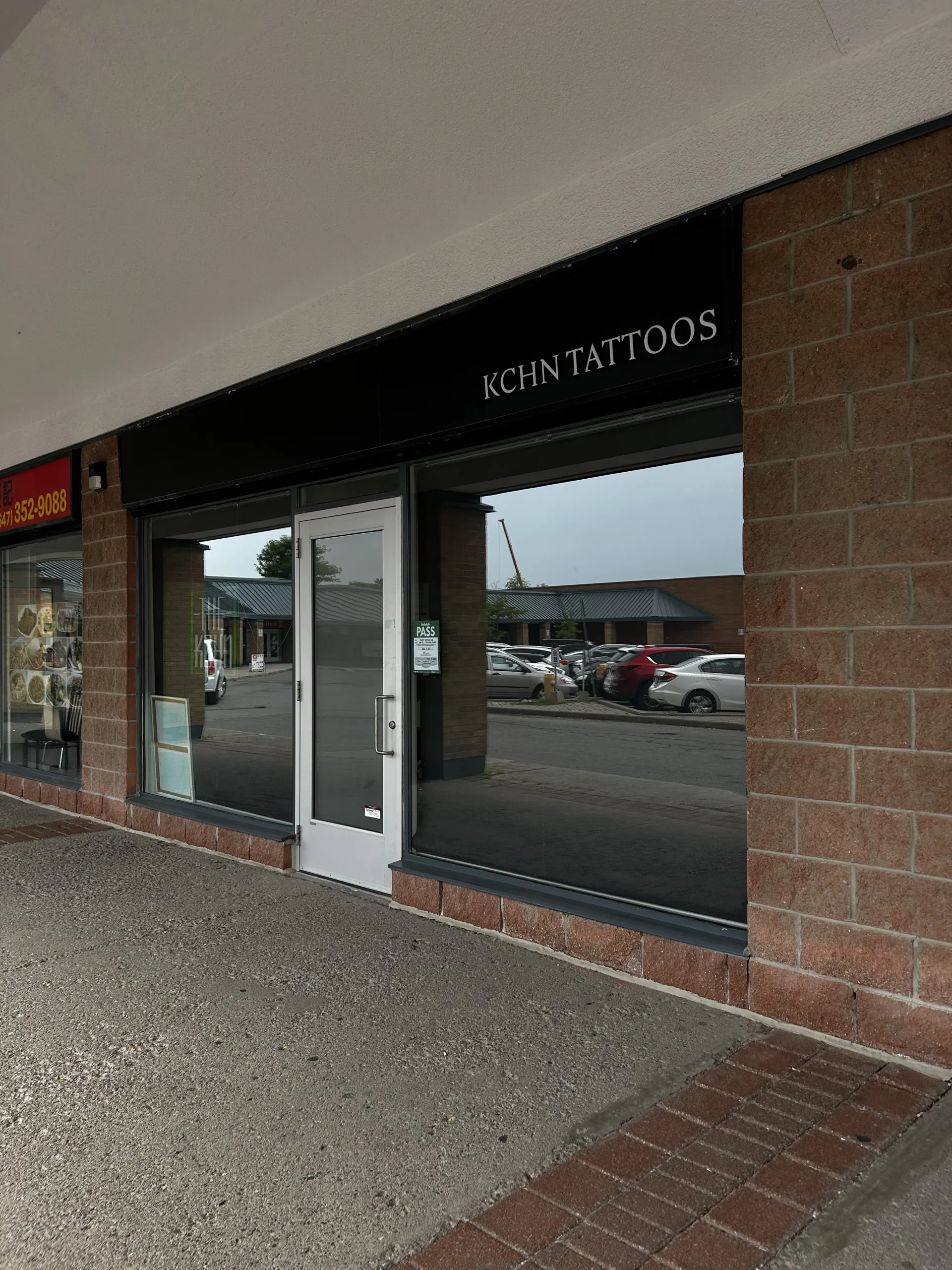
Design changes before a scheduled session require prompt communication with the artist, ideally days ahead rather than at the appointment. The Kchn Tattoos is located in Scarborough, ON, Canada, open seven days a week from 10 am to 6 pm, offers a free tattoo design consultation Scarborough clients can use to refine placement, sizing, and style details with Kevin, Tracy, YB, or Justin before finalizing artwork. Clients researching tattoo shops near me can expect this same collaborative approach to design revisions before any appointment is locked in.
Key Takeaways
- Communicate design changes to your artist respectfully before your scheduled appointment date.
- Kchn Tattoos in Scarborough, ON operates with 4 employees to serve clients.
- Placement concerns often arise for first-time tattoo clients seeking optimal positioning.
- Design modifications require advance notice to respect your artist’s preparation time.
How Do I Modify My Tattoo Design After the Initial Consultation?
Design changes after booking happen often, and clients at The Kchn Tattoos have room to make them. The studio’s workflow separates concept development and design approval from the actual tattooing session, which means adjustments can happen before a single needle touches skin. Second-guessing a detail, a placement, or even a whole concept does not derail the process here.
Wanting to tweak a design closer to the appointment date counts as a normal part of getting tattooed. Clients frequently realize, days or weeks after their consultation, that they want a different size, a shifted placement, or a revised element. That instinct is not a red flag. It is part of how good tattoos get finalized.
How many changes are too many?
A couple of adjustments to a booked design is reasonable and expected. Artists want the final piece to feel right, so revisiting an idea once or twice before the appointment causes no issue. Constant changes every few days, however, often point to something deeper. Hesitation about whether the tattoo itself is the right choice.
Who helps guide these changes?
Artists at The Kchn Tattoos actively walk clients through idea, placement, and size decisions rather than leaving them to figure it out alone. This guidance does not stop after the consultation ends. Because design approval is a distinct workflow step, clients can flag concerns, request tweaks, or ask questions before the appointment locks in.
The takeaway is simple: modifying a design after the initial consultation is expected, not exceptional. A client unsure about a placement or scale should raise it early. Reasonable revisions keep the collaborative process intact. Repeated, rapid changes suggest a bigger conversation is worth having before moving forward with the appointment.
Is It Rude to Ask for Design Changes?
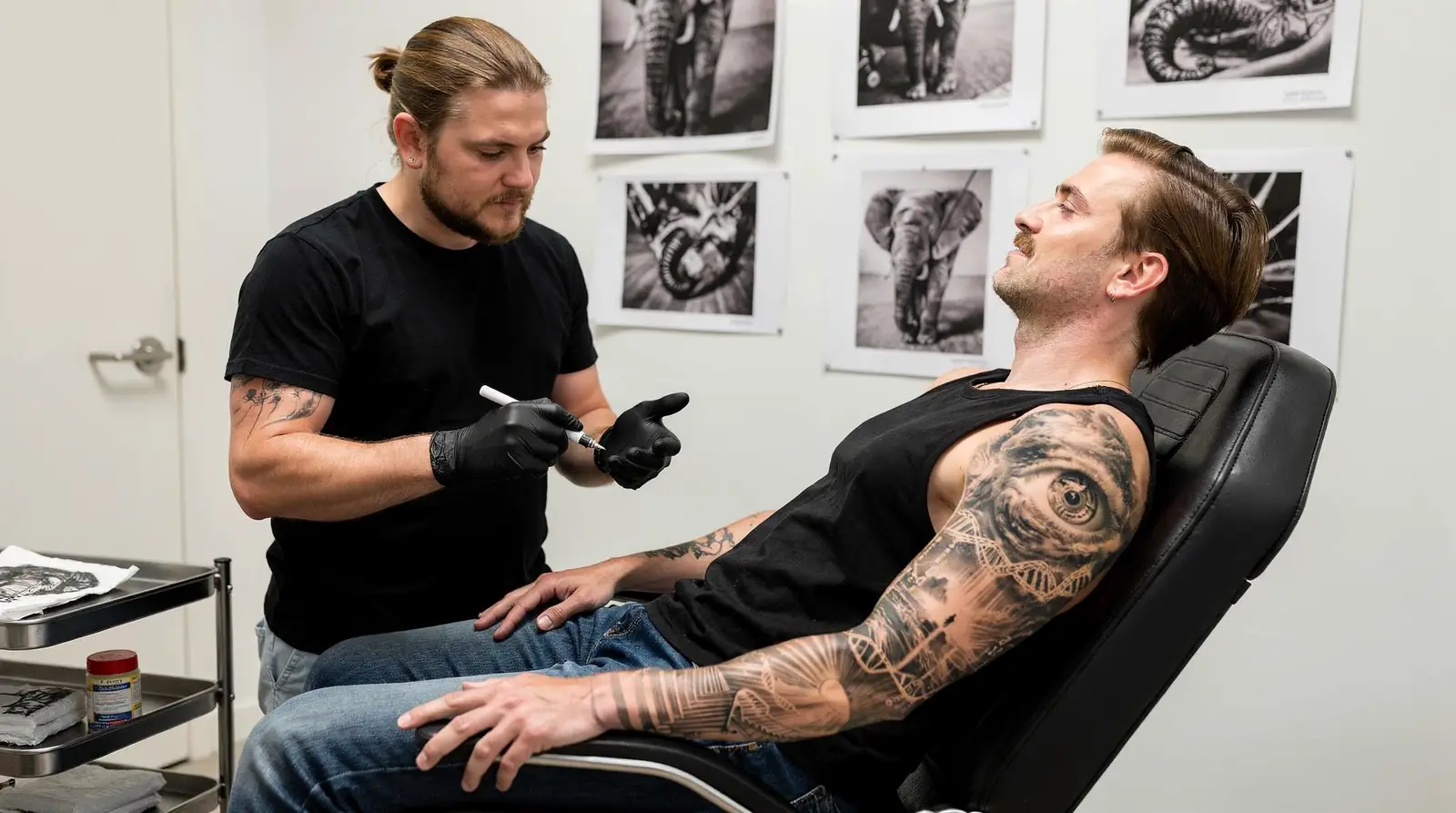
No — requesting adjustments to a tattoo design counts as normal, expected communication, not an inconvenience. Clients who show up unprepared, however, risk wasting appointment time and frustrating their artist. Solid research changes that dynamic entirely. Reference images and a clear sense of what needs adjusting help clients articulate exactly what they want before ever reaching out.
Success also depends on staying inside an artist’s specialty. Most tattoo artists concentrate on a specific style. Asking them to pivot far outside that focus rarely produces the best result. A modification request works best when it refines an existing concept rather than reroutes it into unfamiliar territory.
How does this work at The Kchn Tattoos specifically?
The studio’s style-focused model means each artist hones a defined set of techniques. Black and grey realism, fine line, blackwork, custom lettering. A requested tweak gets filtered through that specialty, which keeps results consistent rather than compromised. This structure gives clients a clearer path: bring the desired change to the artist whose focus matches the design.
What if the design questions surface before booking is finalized?
At most tattoo studios, clients don’t see the actual finished design until the day of the appointment, which leaves little room to flag changes beforehand. The Kchn Tattoos eases that uncertainty by offering free virtual and in-person consultations, giving clients a low-pressure setting to raise concerns, compare reference images, or rethink sizing and placement well before committing to anything permanent. Nothing about that conversation feels rushed or judged, and it keeps the client’s idea as transparent as possible from the start.
A few habits make the process smoother:
- Bring reference images that show the specific change, not just general inspiration.
- Explain the “why” behind the tweak — sizing, symbolism, placement.
- Confirm the request still fits the artist’s specialty before the appointment.
Clear, early communication protects both the client’s vision and the final artwork.
Can I Change the Placement Before My Appointment?
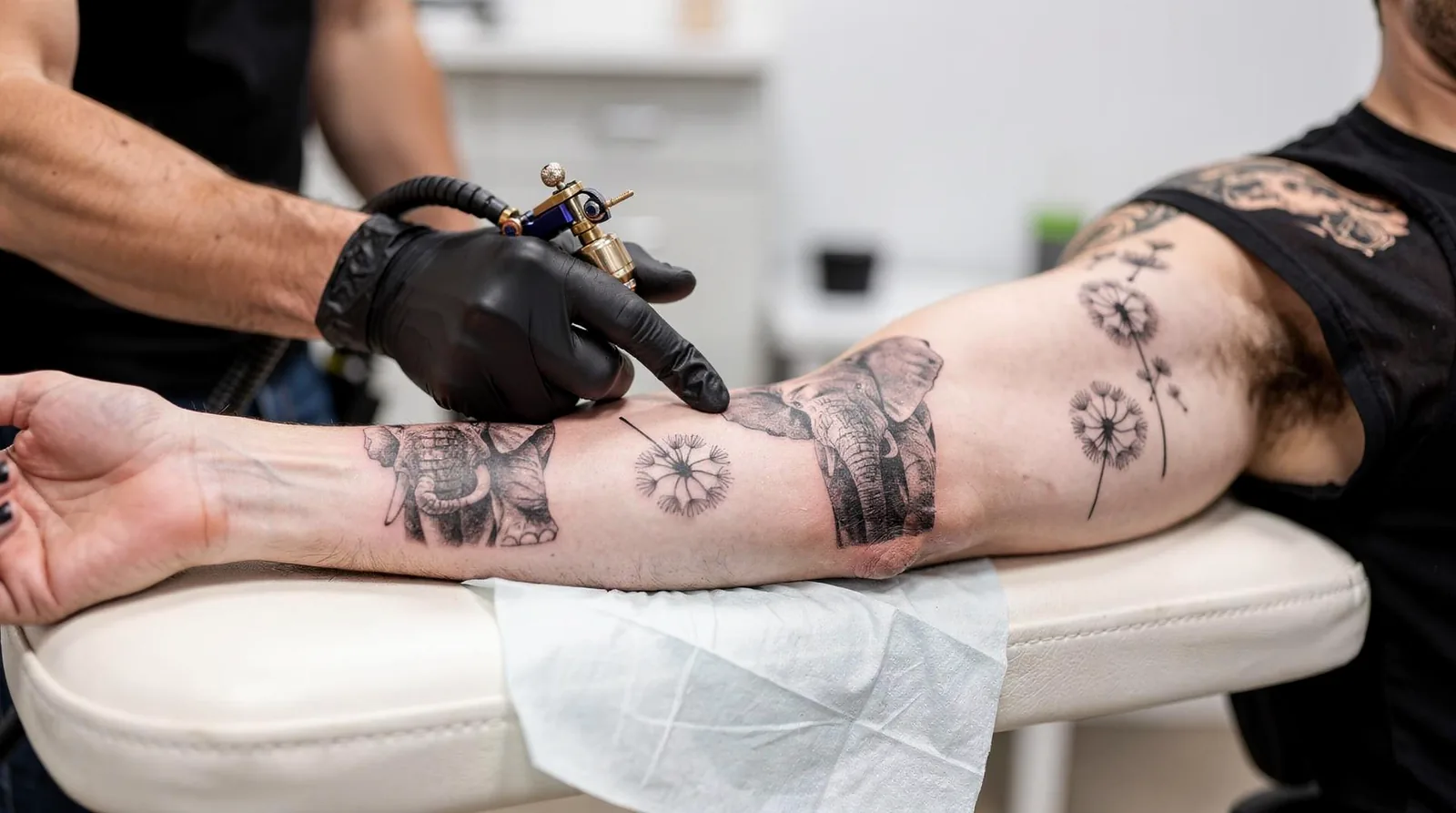
A tattoo placement change stays open for discussion right up until the needle touches skin. Clients booked with The Kchn Tattoos can request a different spot on the body without penalty or awkwardness. The studio treats modifying a tattoo design after the initial consultation as a normal part of the process, not an inconvenience.
Hesitation around this request is common. Many clients feel unsure about asking to move a design even after discussing placement during consultation, worried the artist will see it as difficult or indecisive. That worry rarely matches reality. Artists expect these conversations and build time for them.
Why do people second-guess their original placement choice?
Picturing a design on skin from a sketch or reference photo is harder than it sounds. Struggling to envision how a tattoo will sit on the back, shoulder, or chest is normal, and most clients need to see a stencil applied to different spots before committing.
At The Kchn Tattoos, this uncertainty gets addressed directly through hands-on guidance:
- Professional input on how linework and shading translate across different body areas
- Colour recommendations suited to skin type and the specific placement chosen
- Side-by-side stencil placement so clients can compare options before ink goes down
- Sizing adjustments discussed alongside placement, since the two decisions affect each other
What if the new placement changes the design itself?
Moving a tattoo from a apartment area like the forearm to a curved one like the shoulder often calls for resizing or reshaping elements. Artists factor this in immediately, adjusting linework and proportions so the design reads clearly from its new location.
Clear communication drives the entire process. Artists at the studio help clients settle on sizing, placement, and style together, keeping comfort front and centre so the final decision feels confident rather than rushed.
How Do I Communicate Changes Without Offending My Artist?
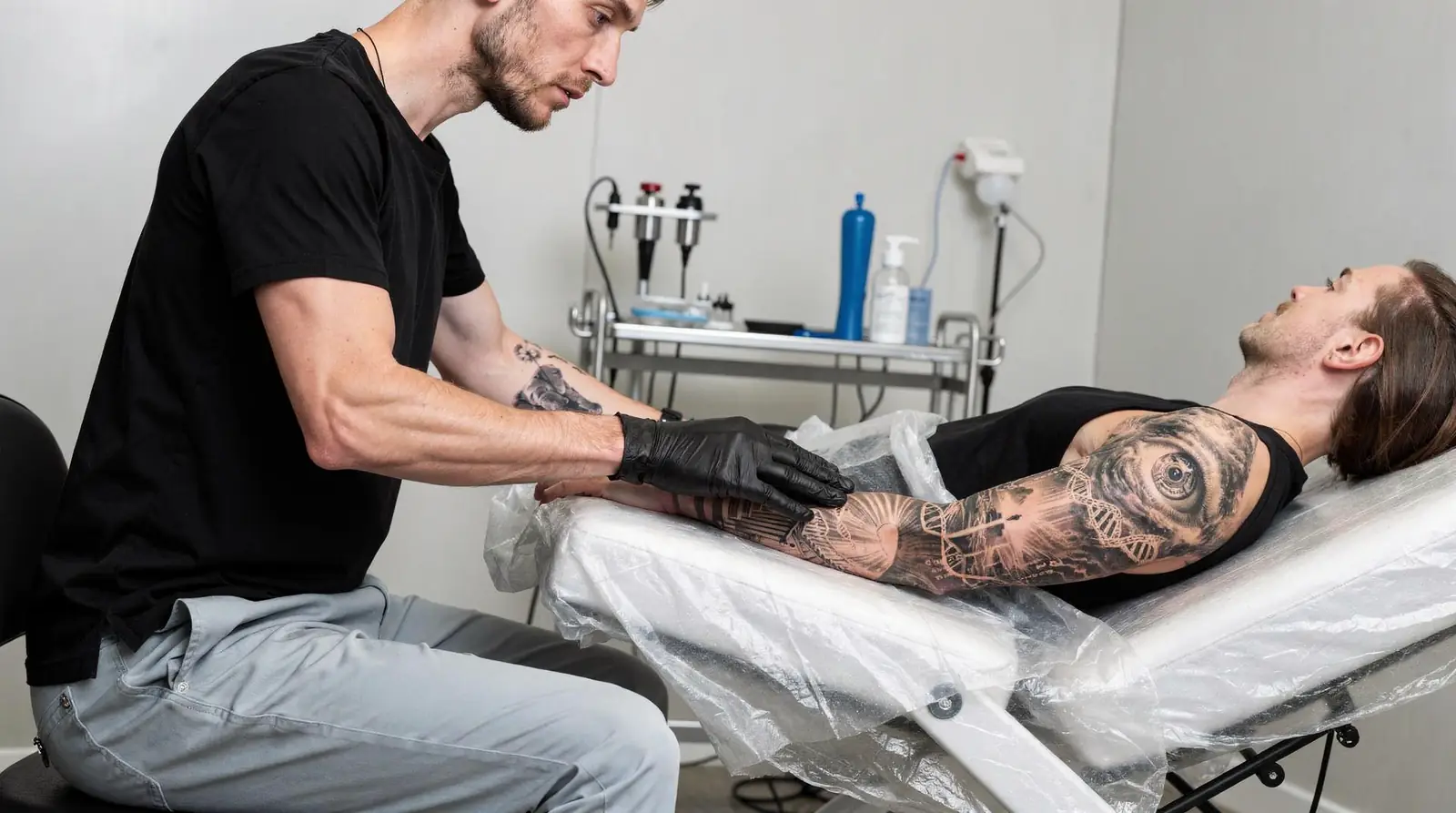
Clear, early communication resolves nearly every design concern without friction. Clients who want to know about modifying a tattoo design after the initial consultation should raise the topic directly with their artist rather than waiting until the appointment chair. Directness respects everyone’s time and keeps the collaborative process intact.
The Kchn Tattoos builds this dialogue into its process from the start. Transparent preparation and a review of healed results are standard practice, showing that adjustments and touch-ups are treated as a normal part of the artistic relationship rather than an inconvenience.
Is there a good time to bring up changes?
Same-day appointments and complimentary consultations give clients a direct line to their artist before any ink is applied. Concerns about size, placement, or detail belong in that window, not mid-session.
Decisiveness matters once a direction is chosen. Shifting the concept repeatedly, rather than refining one clear idea, strains the artist’s planning time and delays the design work.
A few habits keep the conversation productive:
- State the specific change wanted (size, wording, shading, placement) rather than a vague dissatisfaction.
- Bring reference images that match the desired outcome.
- Ask early, since design revisions take preparation time.
- Trust the artist’s technical feedback on what will age well.
How can I set realistic expectations for the new design?
Reviewing an artist’s healed portfolio pieces, not just fresh photos taken right after a session, offers a more honest picture of how a modified design will hold up. Fresh tattoos look sharp under studio lighting; healed work reveals true line quality and saturation. That comparison helps clients request changes grounded in reality, not just reference-image ideals.
What Should I Do If I Want a Completely Different Design?
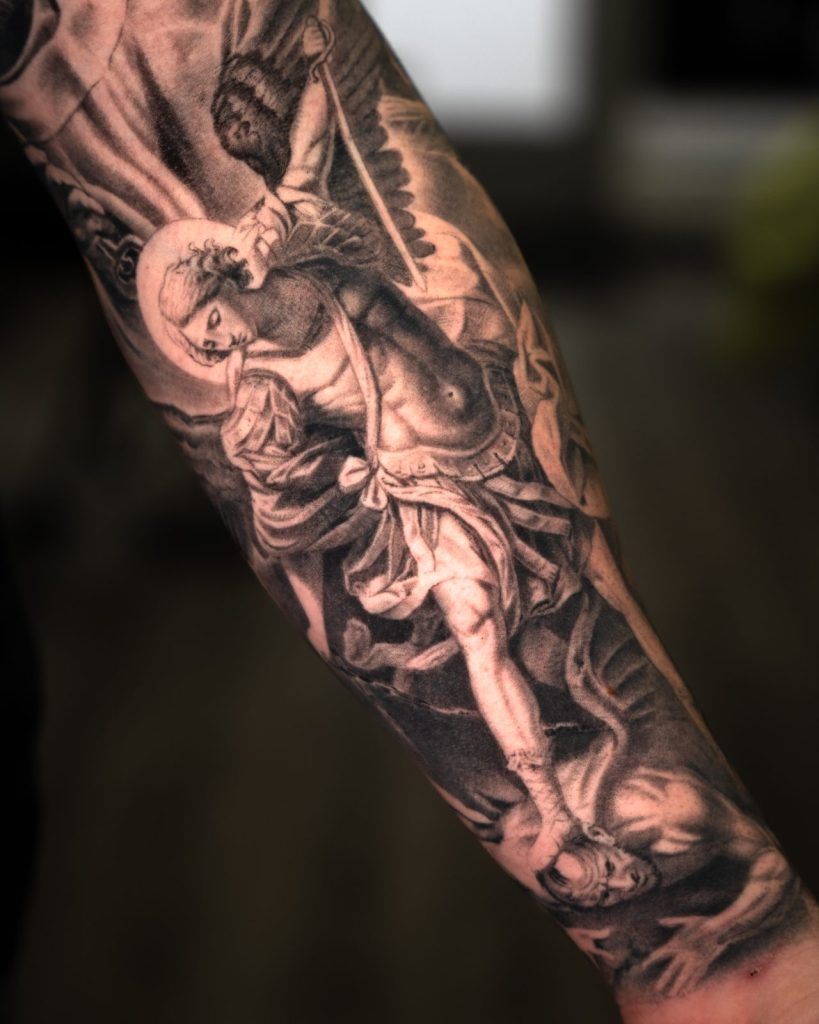
A full pivot — swapping a small script piece for a photorealistic portrait, for example — starts with a candid conversation, not a redraw. Clients who want to modify their tattoo design after the initial consultation should flag the change as early as possible. The studio can match them with the right specialist. A complete style switch, especially toward realism, isn’t a simple sketch update. It’s a different discipline entirely.
Photorealistic work demands an artist trained specifically in rendering light, shadow, and form with extreme precision. Not every artist on a team can execute that style convincingly. A full redesign often means confirming who’s actually qualified to take it on. The Kchn Tattoos structures its team around this reality, pairing realism requests with artists who specialize in exactly that discipline.
Does switching styles mean starting the search over?
Not necessarily. Clients across Scarborough, Toronto, and the wider Greater Toronto Area can work with a realism tattoo artist Toronto clients trust locally, without chasing international artists or sitting on months-long waitlists. That local access matters most when a client wants to move fast on a new concept.
How can a client get a new design in front of an artist quickly?
Flexibility helps here. The studio accepts walk-ins seven days a week, giving clients room to bring a reworked concept in on short notice. Daily hours from 10 am to 6 pm, plus same-day appointments when available, make it practical to sit down with an artist and revisit a design in person before committing to the chair.
- Flag the change early — tell your artist as soon as you know you want a completely different design, rather than waiting until the appointment.
- Confirm the new discipline — a full pivot, like swapping a small script piece for a photorealistic portrait, is a different skill set from a simple sketch update.
- Get matched with the right specialist — The Kchn Tattoos pairs realism requests with artists trained specifically in rendering light, shadow, and form.
- Stay local instead of waiting — clients across Scarborough, Toronto, and the wider Greater Toronto Area can access expert realism tattoo work without months-long waitlists.
- Bring the reworked concept in on short notice — the studio accepts walk-ins seven days a week, 10 am to 6 pm, plus same-day appointments when available.
FAQ
Can I change my tattoo design after the consultation?
Yes, design changes happen often at The Kchn Tattoos. The studio separates concept development from the tattooing session, so clients adjust placement, size, or elements before the appointment.
How many design changes are acceptable?
A tattoo design revision or two before the appointment is normal; constant changes every few days, however, signal hesitation worth discussing with the artist directly.
Is it rude to request design adjustments?
No, requesting adjustments counts as normal communication, not an inconvenience. Coming prepared with reference images and clear requests helps the artist address changes efficiently.
Facts
- The Kchn Tattoos is located in Scarborough, ON, Canada.
- The Kchn Tattoos has 4 employees.