Tattoo Removal or Cover Up: Which Option Is Right for You?
A cover-up is usually cheaper and faster, while laser removal gives you a blank canvas. The best choice depends on your budget, pain tolerance, and what you want your skin to look like in the end. According to a 2021 Ipsos survey, about 12% of Americans regret at least one tattoo. That means millions of people face this exact question every year.
In this guide, we break down everything you need to know. You will learn about costs, pain levels, how long each option takes, and which tattoos work best for each method. We also cover the pros and cons of both so you can make a smart choice that fits your life.
Is It Cheaper to Remove or Cover Up a Tattoo?
Cover-ups are almost always cheaper than full laser removal. A cover-up tattoo costs roughly $150 to $500 depending on size and complexity. Laser removal, on the other hand, costs $100 to $500 per session in Canada, and most tattoos need 6 to 12 sessions for full removal. That adds up fast.
According to data from the tattoo removal market, the average cost per laser session in the United States is around $463. When you multiply that by 8 to 15 sessions, you could spend $3,700 to $7,000 or more for complete removal. A cover-up is a one-time cost, making it the budget-friendly choice for most people.
However, some cover-ups need a few laser sessions first to fade the old ink. This hybrid approach helps your cover-up tattoo artist in Scarborough create a cleaner design. You might need 2 to 4 laser sessions before the new tattoo, which still costs less than full removal.
Can a Tattoo Be 100% Removed?
Yes, many tattoos can be fully removed, but results vary. According to the FDA, laser tattoo removal can significantly fade or eliminate ink, though complete removal is not always possible. Black and dark blue inks respond best to treatment. Lighter colors like yellow, white, and neon shades are harder to remove.
Several factors affect whether your tattoo can be 100% removed. These include the tattoo’s age, size, ink depth, colors used, and your skin tone. Older tattoos are easier to remove because the ink has already started to break down naturally. Professional tattoos with dense ink need more sessions than amateur ones.
SpaMedica in Toronto reports achieving 90 to 95% fading on average. Many patients do reach complete removal with the right laser technology and enough sessions. Your immune system also plays a role since it flushes away the broken ink particles after each treatment.
What I Wish I Knew Before Laser Tattoo Removal
The process takes longer than most people expect. Complete removal often requires 8 to 15 sessions spaced 6 to 8 weeks apart. That means full removal can take 1 to 3 years. According to research published by the National Institutes of Health, laser technology has revolutionized tattoo removal, but patience remains essential.
Here are things many people wish they knew before starting:
- Sessions are quick but healing takes time. Each treatment lasts just a few minutes, but your skin needs weeks to recover between visits.
- Not all colors fade equally. Black ink responds best, while green, yellow, and white can be stubborn.
Many clinics offer numbing cream or cooling devices to reduce discomfort. Following proper tattoo aftercare tips between sessions helps your skin heal faster and improves results.
What Are the Cons of Tattoo Removal?
Laser tattoo removal has several downsides to consider. The American Academy of Dermatology notes that while modern lasers are effective, risks still exist. These include temporary skin color changes, scarring in rare cases, and incomplete removal of certain ink colors.
The main cons of laser tattoo removal are the time commitment, cost, and potential side effects. Treatment can cause redness, swelling, blistering, and itching that lasts for days. Some people experience hypopigmentation, where the treated skin becomes lighter than surrounding areas. Others may see hyperpigmentation, making the skin darker.
The cost adds up quickly, especially for large or colorful tattoos. And there is no guarantee of 100% removal. According to a study from the Dermatology, Laser and Vein Center, most patients need 6 to 12 sessions, and some stubborn inks may never fully disappear.
Should I Get My Tattoo Removed or Covered Up?
The answer depends on several personal factors. If you still love tattoos but hate the current design, a cover-up makes sense. If you want completely clear skin or the tattoo is blocking career opportunities, removal is the better path.
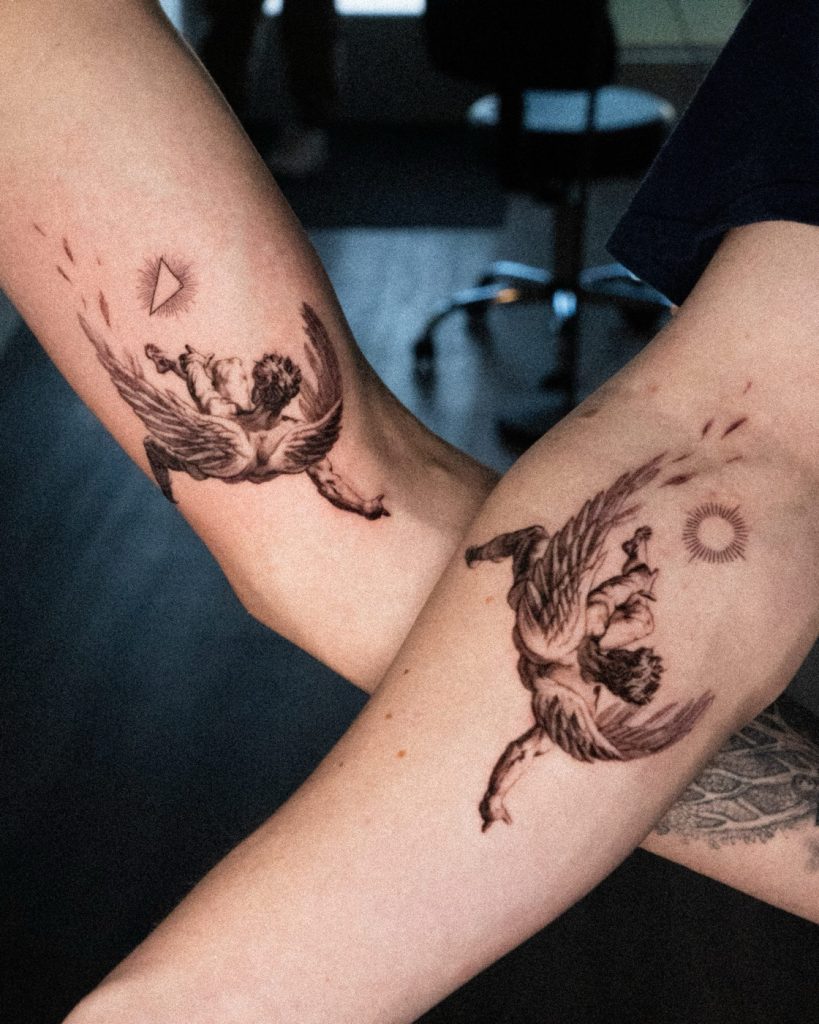
Consider getting removal if the tattoo is very dark or large, as these are hard to cover effectively. Choose a cover-up if you want faster results and lower costs. Many skilled artists at tattoo shops in Scarborough specialize in turning regretted ink into beautiful new designs.
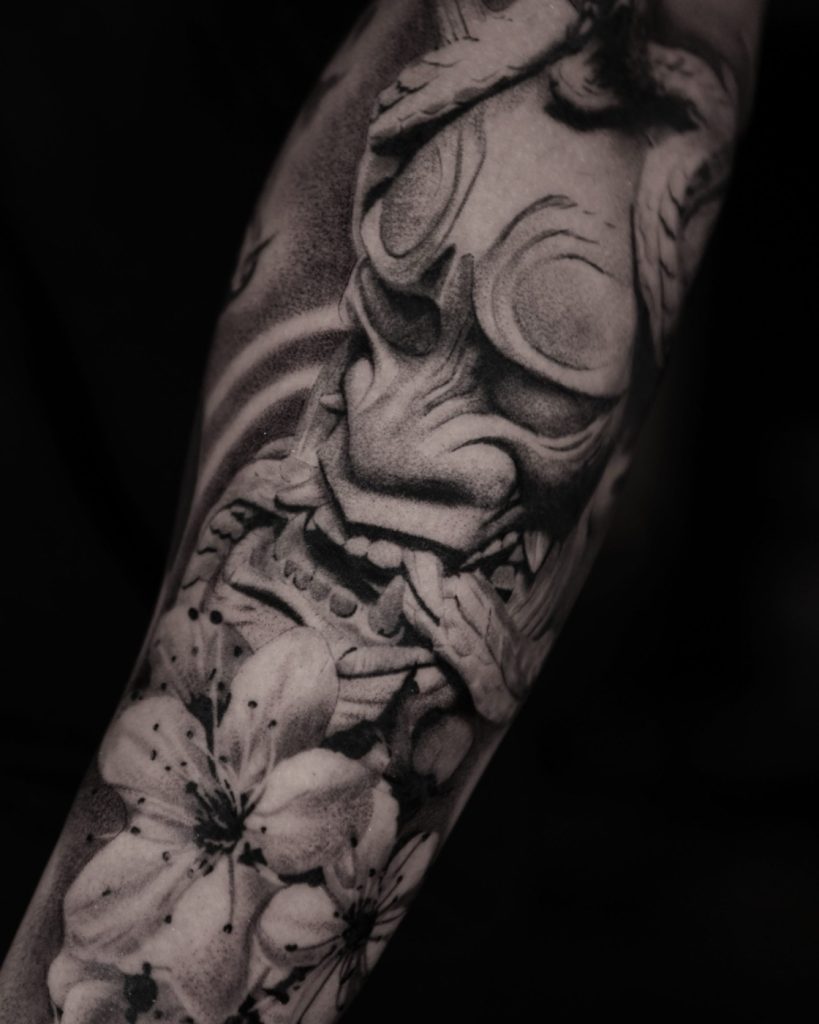
A hybrid approach works well for stubborn tattoos. A few laser sessions can fade the old design enough for a talented artist to work with. This gives you creative freedom without spending thousands on full removal.
What Is the Cheapest Way to Get Rid of a Tattoo?
The cheapest way to deal with unwanted ink is a cover-up tattoo. Prices typically range from $150 to $500 depending on the design complexity. This is a fraction of what laser removal costs over multiple sessions.
If you absolutely need the tattoo gone, look for clinics that offer package pricing. Removery and other chains offer complete removal packages that can save up to 40% compared to paying per session. Some Toronto-area clinics offer flat-rate pricing around $197 per session for tattoos up to 6 by 6 inches.
Tattoo removal creams do not work. The FDA has not approved any tattoo removal creams, and dermatologists warn they cannot reach the ink in the deeper dermis layer. These products often cause skin irritation without fading the tattoo.
How Painful Is Removing a Tattoo?
Laser tattoo removal hurts, but most people find it tolerable. The most common description is that it feels like a rubber band snapping against your skin repeatedly. On a pain scale of 1 to 10, the average patient rates it around 6.
Pain levels depend on the tattoo’s location and your personal tolerance. Areas close to bone like ankles, wrists, and ribs hurt more. Fleshy areas like the upper arm or thigh are less painful. The good news is that sessions are short, usually just 3 to 15 minutes depending on tattoo size.
Clinics offer several pain management options. These include numbing creams, cold air cooling, ice packs, and lidocaine injections. Many people say the discomfort is worth it for the results, especially when they compare it to living with regretted ink forever.
Why Don’t They Numb You for Tattoo Removal?
Many clinics actually do offer numbing options. Topical numbing creams like lidocaine are standard at most reputable clinics. Some providers also use cooling devices during treatment or offer lidocaine injections for sensitive areas.
The reason some clinics skip numbing is that laser sessions are very quick. A small tattoo might only take 60 seconds under the laser. For such short procedures, some patients prefer to skip the numbing cream rather than wait 30 to 45 minutes for it to take effect.
If pain concerns you, ask about numbing options before booking. Any good clinic should accommodate your comfort needs. The sensation is uncomfortable but brief, and proper aftercare like cold compresses helps manage any lingering soreness.
Do Tattoo Removal Pens Actually Work?
No, at-home tattoo removal pens and devices do not work safely or effectively. The FDA has not approved any over-the-counter tattoo removal products. These devices cannot deliver the precise energy needed to break up ink particles without damaging skin.
Professional laser removal uses specific wavelengths that target ink colors while leaving surrounding tissue unharmed. Home devices lack the power and precision to do this. Using them risks scarring, burns, and infection without actually removing much ink.
The safest approach is working with a trained professional who uses FDA-cleared laser equipment. If cost is a concern, a cover-up from an experienced custom tattoo artist offers better results than any home device.
How Bad Does Tattoo Removal Hurt on a Scale of 1 to 10?
Most patients rate laser tattoo removal pain at 5 to 7 out of 10. The pain scale ranges from 3 to 8 depending on the tattoo location and individual tolerance. Bony areas and spots with lots of nerve endings rank higher on the scale.
The sensation combines heat, pressure, and a sharp snapping feeling. Many compare it to hot oil splashing on skin or multiple rubber band snaps in quick succession. The intensity increases slightly as sessions progress because higher energy settings target remaining stubborn ink.
Pain typically decreases in middle sessions when less ink remains. However, later sessions may feel more intense as the laser needs higher settings to break down the final particles. Taking ibuprofen before your appointment and using ice afterward helps manage discomfort.
Why Are Gen Z Regretting Tattoos?
According to a 2024 Pew Research Center survey, 24% of tattooed Americans regret at least one tattoo. Gen Z is hitting the tattoo regret phase as the oldest members approach 30. Social media trends and fast-changing aesthetics play a major role.
TikTok influencer Sara Beth Clark spent tens of thousands on tattoos in her twenties. Now in her thirties, she is having several removed. Brooklyn-based tattoo artist Gabs Miceli told USA Today that patchwork-style tattoos driven by fleeting social media trends often lead to regret.
The brain’s prefrontal cortex, which handles long-term decision making, is not fully developed until around age 25. Many Gen Z members got impulsive tattoos in their early twenties based on trends that no longer feel relevant. Wedding planning has also driven many young women to seek removal as they picture themselves in a wedding dress.

What Tattoo Ink Cannot Be Removed?
White ink is the hardest color to remove and sometimes cannot be removed at all. Laser treatment can actually cause white ink to darken, turning it gray or brown instead of fading. Yellow, light blue, light green, and neon colors also resist laser treatment.
The reason is simple physics. Laser removal works when ink absorbs the light energy. Black ink absorbs all wavelengths, making it easy to target. White ink reflects light, so the laser energy bounces off instead of breaking down the pigment.
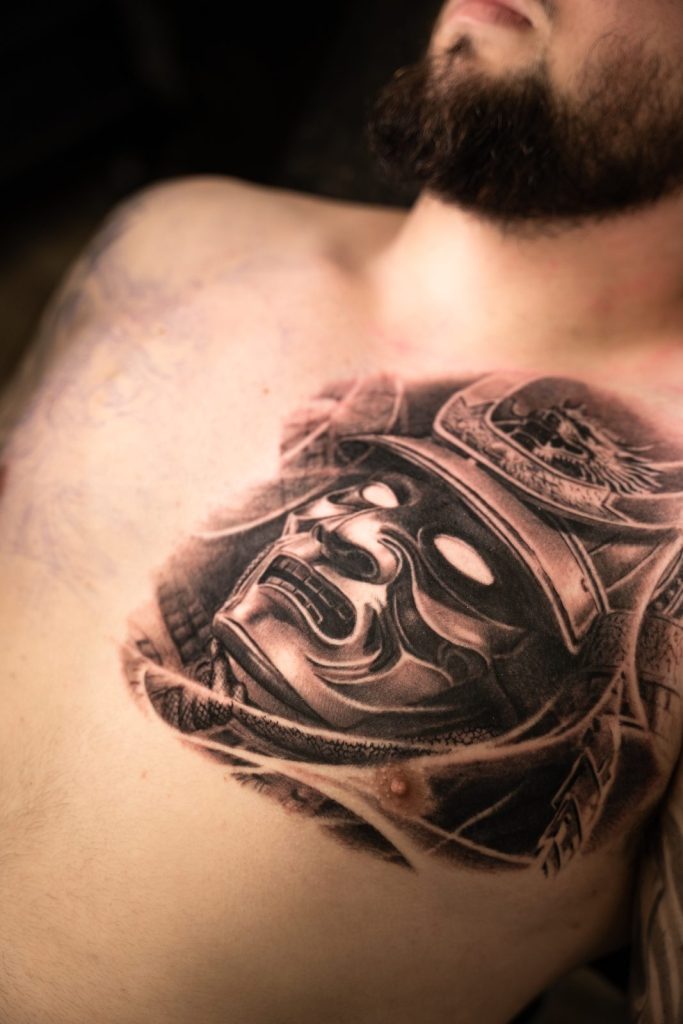
Colors mixed with white ink also become problematic. Pastel shades and certain pinks contain white pigment that can darken unexpectedly. If you have these colors and want them gone, a cover-up with darker ink may be your best option. A skilled realism tattoo artist can often incorporate stubborn areas into a new design.
How Many Times Can You Get a Cover Up?
There is no strict limit, but practical limits exist. Each cover-up adds more ink layers to the same skin area. Most artists recommend no more than 2 to 3 cover-ups on the same spot before the ink becomes too dense for quality work.
With each layer, the skin becomes more saturated. This limits what future artists can do with the area. If you have already had one cover-up and regret that too, laser fading before another cover-up gives the artist a better canvas to work with.
Some heavily tattooed areas eventually need laser treatment as the only option. A reputable artist will be honest about whether a cover-up is feasible or if you should consider partial removal first.
What Tattoos Can’t Be Covered Up?
Very large, dark, and heavily saturated tattoos are hardest to cover. Black tribal designs with thick lines and solid fills leave little room for new artwork. The new design must be darker and bigger than the original, which limits options significantly.
Tattoos with lots of black shading require creative solutions. According to industry experts, cover-ups work best on faded or lightly inked tattoos. Fresh tattoos with vibrant colors are harder to hide. Location also matters since some body areas do not leave room for larger designs.
If your tattoo falls into the hard-to-cover category, a few laser sessions can help. Fading the old ink by 50 to 70% opens up many more design possibilities. This combined approach often delivers the best results for stubborn tattoos.
What Organ Does Tattoo Ink Affect?
Tattoo ink primarily affects the lymph nodes. Research published in Scientific Reports found that nanoparticles from tattoo ink migrate from the skin to the lymph nodes, which are part of the immune system. Studies have found elevated levels of metals like titanium, nickel, and chromium in the lymph nodes of tattooed individuals.
A 2017 study by the European Synchrotron Radiation Facility confirmed that pigment particles travel through the lymphatic system and can cause chronic enlargement of lymph nodes. Over time, 60 to 90% of the ink may leave the original tattoo site and spread to lymph nodes and potentially other organs.
Animal studies have found tattoo pigments in the liver, spleen, and kidneys. The long-term health effects remain unclear, but researchers at the IARC note that chronic exposure raises questions about potential risks. This is one reason why proper research before getting tattoos and following aftercare guidelines matters.
What Is the Least Regretted Tattoo?
Larger, well-planned tattoos are regretted less than small impulsive ones. According to a survey by Advanced Dermatology, only 2% of people with full sleeves regret their tattoos compared to 63% of those with small palm-sized designs.
Moon symbols, Celtic designs, and Roman numerals rank among the least regretted content. Tribal patterns, hearts, and roses have higher regret rates. The most regretted tattoos tend to be impulsive decisions, often made while emotional or intoxicated.
The key to avoiding regret is taking time to plan. Experts recommend sitting with a design idea for at least 6 months before committing. Working with a talented local artist who creates custom work for your vision also reduces future regret.
What Does 444 Tattoo Mean on a Woman?
The 444 tattoo represents divine protection, spiritual guidance, and inner strength. In numerology, 444 is an angel number that signals you are on the right path and that guardian angels are watching over you. It symbolizes stability, security, and a strong foundation.
Many women choose this tattoo as a reminder to trust their intuition. The number 4 represents practicality and determination, and when tripled, these qualities amplify. Some associate 444 with the Archangels Chamuel and Jophiel, who are believed to bring peace and love.
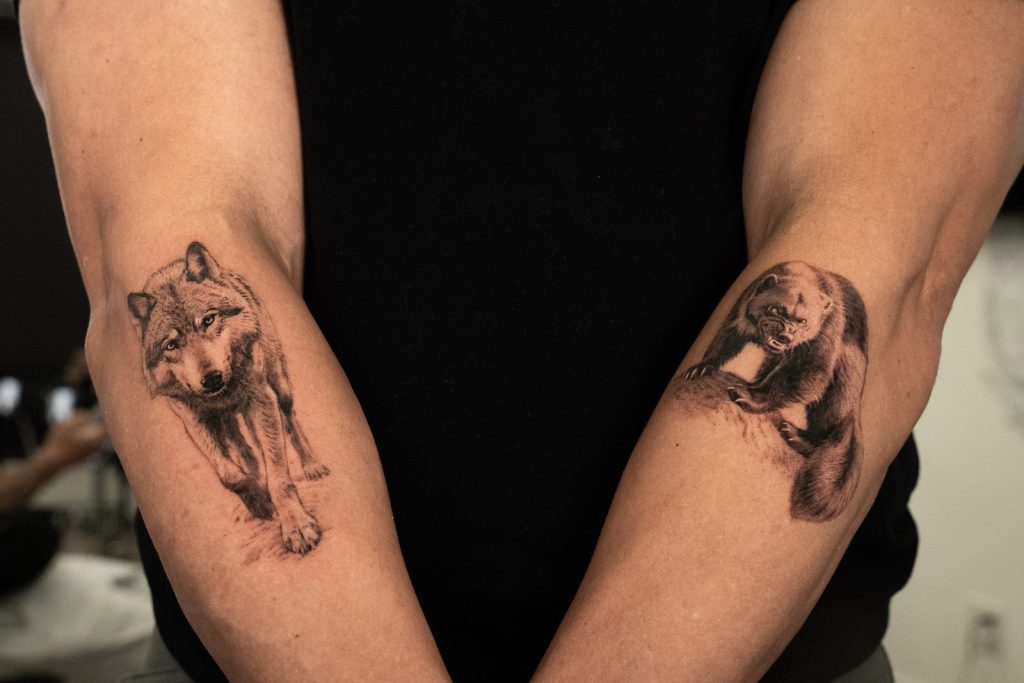
The 444 tattoo can also mark new beginnings or the end of a difficult chapter. It serves as a visual affirmation that hard work pays off and positive change is coming. This makes it popular among women going through transitions in career, relationships, or personal growth. Like any meaningful design, working with an artist who understands fine line tattoo techniques helps create a beautiful, lasting piece.
Removal vs Cover Up: Quick Comparison
| Factor | Laser Removal | Cover Up |
|---|---|---|
| Cost | $2,000 to $10,000+ total | $150 to $500 one-time |
| Time | 1 to 3 years (6-15 sessions) | 1 to 2 sessions |
| Pain Level | 5 to 7 out of 10 | Same as getting tattooed |
| Best For | Complete erasure, career needs | Transforming old ink into new art |
| Limitations | Some colors resist removal | New design must be larger and darker |
Final Thoughts
The choice between tattoo removal and a cover-up comes down to what you want and what you can afford. Cover-ups offer faster, cheaper results when you still love body art but hate the current design. Laser removal takes longer and costs more but gives you a clean slate.
If you are considering either option, talk to professionals who can assess your specific tattoo. Many people find the hybrid approach works best, using a few laser sessions to fade old ink before getting a stunning cover-up. Whatever you choose, take your time and make a decision you will be happy with for years to come. If you are ready to explore your options with skilled artists who specialize in custom work and cover-ups, visit The KCHN Tattoos to book a consultation today.